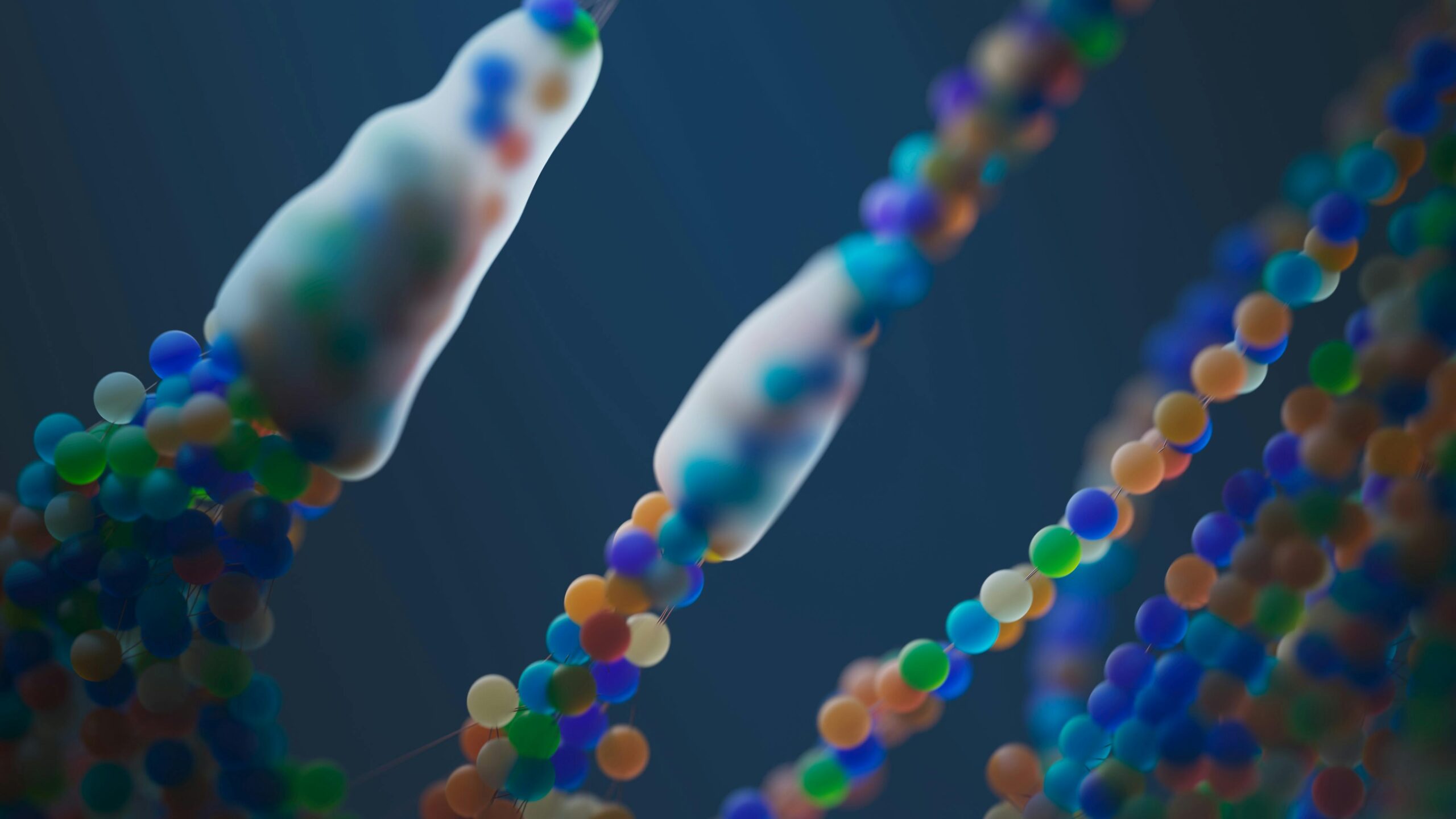
Biomaterials are transforming modern medicine, enabling scientists and clinicians to regenerate damaged tissues, repair organs, and revolutionize patient care through innovative tissue engineering approaches.

🔬 The Dawn of a New Medical Era
The convergence of materials science, biology, and engineering has created unprecedented opportunities in regenerative medicine. Tissue engineering, once confined to science fiction narratives, now represents a tangible reality that addresses critical healthcare challenges. From lab-grown skin grafts to bioengineered cartilage, biomaterials serve as the foundation for reconstructing human tissues and organs that were previously beyond repair.
The global biomaterials market continues its explosive growth, projected to reach unprecedented valuations as healthcare systems worldwide embrace these transformative technologies. This expansion reflects not merely financial opportunity but a fundamental shift in how we approach disease treatment, moving from symptom management to actual tissue regeneration and functional restoration.
Understanding Biomaterials: The Building Blocks of Regeneration 🧬
Biomaterials represent specialized substances engineered to interact with biological systems for medical purposes. These materials can be natural, synthetic, or hybrid combinations, each offering unique properties suited to specific tissue engineering applications. Their success depends on biocompatibility, mechanical properties, degradation rates, and ability to promote cellular activities.
Natural biomaterials include collagen, chitosan, alginate, hyaluronic acid, and silk fibroin. These materials offer inherent biocompatibility and contain biological recognition sites that cells naturally understand. Synthetic biomaterials such as polylactic acid (PLA), polyglycolic acid (PGA), and polycaprolactone (PCL) provide superior mechanical strength and controllable degradation kinetics.
Key Properties That Define Effective Biomaterials
Successful tissue engineering biomaterials must satisfy multiple stringent requirements simultaneously. Biocompatibility ensures the material doesn’t trigger adverse immune responses or toxic reactions. Biodegradability allows the scaffold to gradually dissolve as new tissue forms, eliminating the need for surgical removal. Mechanical properties must match native tissue characteristics to provide appropriate structural support during regeneration.
Porosity and architecture significantly influence cell infiltration, nutrient diffusion, and waste removal. Interconnected porous structures facilitate vascularization, the critical process by which new blood vessels penetrate engineered tissues. Without adequate vascularization, tissue constructs larger than a few millimeters cannot survive due to insufficient oxygen and nutrient delivery.
⚡ Cutting-Edge Biomaterial Technologies Reshaping Healthcare
Recent advances in biomaterial science have introduced revolutionary technologies that expand the boundaries of tissue engineering. Smart biomaterials respond dynamically to environmental stimuli such as pH, temperature, enzymes, or light, enabling precise control over drug release and cellular behavior. These intelligent materials adapt to physiological conditions, providing targeted therapeutic interventions.
Nanostructured biomaterials exploit nanoscale features to enhance cellular interactions. Nanofibers mimic the extracellular matrix architecture that naturally surrounds cells, promoting adhesion, proliferation, and differentiation. Nanoparticles enable targeted drug delivery directly to regenerating tissues, maximizing therapeutic efficacy while minimizing systemic side effects.
3D Bioprinting: Manufacturing Living Tissues Layer by Layer
Three-dimensional bioprinting represents perhaps the most visually striking advancement in tissue engineering. This technology deposits living cells, growth factors, and biomaterials in precise spatial arrangements, creating complex tissue architectures that closely resemble native organs. Bioprinting enables customization based on individual patient anatomy, derived from medical imaging data like CT or MRI scans.
Current bioprinting achievements include functional skin, cartilage, bone, vascular networks, and even simplified organ models. Researchers have successfully bioprinted cardiac tissue that contracts rhythmically and liver tissue that performs metabolic functions. While fully functional replacement organs remain ambitious goals, ongoing progress suggests these achievements may arrive sooner than previously imagined.
Clinical Applications Transforming Patient Outcomes 🏥
Biomaterial-based tissue engineering has already delivered remarkable clinical successes across multiple medical specialties. These real-world applications demonstrate the technology’s maturation from laboratory curiosity to practical therapeutic intervention.
Orthopedic Regeneration and Skeletal Repair
Bone tissue engineering utilizing biomaterial scaffolds has revolutionized orthopedic surgery. Calcium phosphate ceramics, particularly hydroxyapatite, exhibit chemical similarity to natural bone mineral, promoting osteointegration and new bone formation. These scaffolds treat critical-size bone defects resulting from trauma, tumor resection, or congenital abnormalities that cannot heal spontaneously.
Cartilage regeneration addresses the widespread problem of osteoarthritis and joint injuries. Unlike bone, cartilage possesses limited intrinsic healing capacity, making biomaterial interventions particularly valuable. Hydrogel-based scaffolds loaded with chondrocytes or mesenchymal stem cells have successfully regenerated functional cartilage in clinical trials, offering alternatives to joint replacement surgery.
Cardiovascular Tissue Engineering
Cardiovascular disease remains the leading cause of mortality globally, creating urgent demand for regenerative solutions. Tissue-engineered vascular grafts constructed from biodegradable polymers seeded with endothelial cells offer superior performance compared to synthetic grafts, particularly in small-diameter applications. These living grafts grow with pediatric patients, eliminating the need for repeated replacement surgeries.
Cardiac patches fabricated from elastomeric biomaterials provide mechanical support to damaged heart tissue following myocardial infarction. Advanced versions incorporate cardiac progenitor cells and angiogenic factors, promoting both structural reinforcement and functional tissue regeneration. Early clinical trials demonstrate improved cardiac function and reduced adverse remodeling.
Skin Substitutes and Wound Healing
Bioengineered skin substitutes represent one of tissue engineering’s earliest and most successful clinical applications. These products treat severe burns, chronic wounds, and diabetic ulcers that resist conventional therapy. Bilayered skin constructs containing both dermal and epidermal components accelerate healing, reduce scarring, and improve functional and aesthetic outcomes.
Advanced wound dressings incorporate antimicrobial agents, growth factors, and extracellular matrix components within biomaterial matrices. These smart dressings actively participate in healing rather than merely protecting wounds, modulating inflammation, promoting angiogenesis, and supporting epithelialization.
🧪 The Cellular Component: Bringing Biomaterials to Life
Biomaterial scaffolds alone cannot regenerate tissue; they require cellular components that populate the structure and perform biological functions. The cell source selection significantly impacts tissue engineering success, with options including autologous cells, allogeneic cells, and stem cells, each presenting distinct advantages and challenges.
Stem Cells: The Master Regenerators
Stem cells possess unique capabilities that make them ideal for tissue engineering applications. Their self-renewal capacity provides unlimited cell sources, while their differentiation potential allows generation of multiple specialized cell types from a single source. Mesenchymal stem cells, derived from bone marrow, adipose tissue, or umbilical cord, have demonstrated particular promise due to their accessibility, immunomodulatory properties, and multipotent differentiation capacity.
Induced pluripotent stem cells (iPSCs) represent a revolutionary technology that converts adult somatic cells back to an embryonic-like pluripotent state. These cells can theoretically differentiate into any cell type, providing patient-specific cells that avoid immune rejection. iPSC technology circumvents ethical concerns associated with embryonic stem cells while offering unprecedented regenerative potential.
⚠️ Challenges and Obstacles on the Path Forward
Despite remarkable progress, significant challenges continue to impede widespread clinical translation of tissue engineering technologies. Addressing these obstacles requires sustained research efforts, innovative thinking, and interdisciplinary collaboration.
Vascularization: The Persistent Bottleneck
Creating functional vascular networks within engineered tissues remains the field’s most significant challenge. Tissues thicker than approximately 200 micrometers require blood vessel penetration to survive, as passive diffusion cannot adequately deliver oxygen and nutrients beyond this distance. Without rapid vascularization, implanted tissue constructs undergo necrosis at their cores, limiting construct size and functionality.
Researchers are exploring multiple strategies including prevascularization, where vascular networks are established before implantation; incorporation of angiogenic growth factors that stimulate blood vessel formation; and microfluidic channel fabrication that provides temporary perfusion until host vessels invade. Despite progress, achieving rapid, functional vascularization comparable to native tissues remains elusive.
Immune Response and Biocompatibility
Even carefully designed biomaterials can trigger immune responses that compromise tissue engineering outcomes. The foreign body response encapsulates implanted materials in fibrous tissue, isolating them from surrounding tissues and impeding integration. Inflammatory reactions can damage both the biomaterial construct and surrounding healthy tissue.
Strategies to mitigate immune responses include surface modification to reduce protein adsorption, incorporation of immunomodulatory agents, and development of biomimetic materials that closely resemble native extracellular matrix. Decellularized tissues, where cellular components are removed leaving only the extracellular matrix scaffold, offer excellent biocompatibility but present processing challenges.
Regulatory Pathways and Clinical Translation
Tissue engineering products occupy a complex regulatory space, often classified as combination products involving biomaterials, cells, and bioactive factors. Navigating regulatory approval requires extensive safety and efficacy data, standardized manufacturing processes, and quality control measures. The substantial time and financial investment required for regulatory approval creates barriers, particularly for academic researchers and small companies.
Regulatory agencies worldwide are developing frameworks specifically for regenerative medicine products, recognizing their unique characteristics. Expedited pathways for breakthrough therapies and conditional approvals based on early efficacy data aim to accelerate patient access while maintaining safety standards.
🚀 Future Horizons: What Lies Ahead
The future of biomaterial-based tissue engineering promises even more remarkable advances as technologies mature and converge. Artificial intelligence and machine learning algorithms increasingly guide biomaterial design, predicting material properties and cellular responses with unprecedented accuracy. These computational approaches dramatically accelerate discovery by identifying promising candidates from vast possibility spaces.
Personalized Medicine and Patient-Specific Solutions
Tissue engineering is moving toward fully personalized approaches where constructs are designed specifically for individual patients based on their genetic profiles, disease characteristics, and anatomical requirements. Patient-derived stem cells combined with custom-fabricated scaffolds matching exact defect geometries will optimize integration and functional outcomes.
Advances in biofabrication technology, including improved bioprinting resolution and speed, will enable point-of-care tissue production. Hospitals may eventually house biofabrication facilities that manufacture tissue constructs on-demand, eliminating logistical challenges associated with transporting living products.
Whole Organ Engineering: The Ultimate Goal
Creating fully functional replacement organs represents tissue engineering’s ultimate ambition. Current organ shortages result in thousands of preventable deaths annually, creating immense humanitarian and economic burdens. Bioengineered organs would eliminate transplant waiting lists, rejection risks, and lifelong immunosuppression requirements.
Researchers are pursuing multiple strategies including decellularization of donor organs followed by recellularization with patient cells, 3D bioprinting of entire organs, and xenotransplantation using genetically modified animal organs. While substantial technical hurdles remain, proof-of-concept studies demonstrate feasibility, and many experts predict functional engineered organs within coming decades.
💡 The Broader Impact on Healthcare Systems
Beyond individual patient benefits, widespread adoption of tissue engineering technologies will fundamentally transform healthcare delivery and economics. Regenerative approaches that restore function may prove more cost-effective than lifelong disease management, despite high upfront costs. Reducing dependence on organ donation will eliminate inequities in transplant access and outcomes.
The biomaterials and tissue engineering industry creates high-value employment opportunities for scientists, engineers, clinicians, and manufacturing specialists. Investment in this sector stimulates innovation ecosystems, generates intellectual property, and strengthens economic competitiveness for nations that embrace these technologies.

🌟 Empowering the Next Generation of Innovators
Realizing tissue engineering’s full potential requires cultivating talent and fostering interdisciplinary education. Tomorrow’s biomaterial scientists must understand biology, chemistry, physics, engineering, and clinical medicine, transcending traditional disciplinary boundaries. Educational programs increasingly emphasize collaborative, project-based learning that mirrors real-world research environments.
Public engagement and science communication play critical roles in building societal support for regenerative medicine. Addressing ethical considerations, managing expectations, and ensuring equitable access will determine whether these technologies fulfill their promise of revolutionizing healthcare for all humanity.
The revolution in tissue engineering powered by advanced biomaterials is not a distant dream but an unfolding reality. From laboratory breakthroughs to clinical successes, these technologies are progressively eliminating the boundaries between damaged and healthy, between diseased and cured. As research accelerates and technologies mature, we stand at the threshold of a new medical paradigm where regeneration replaces mere treatment, and where the human body’s remarkable healing capacity is amplified by human ingenuity and innovation.