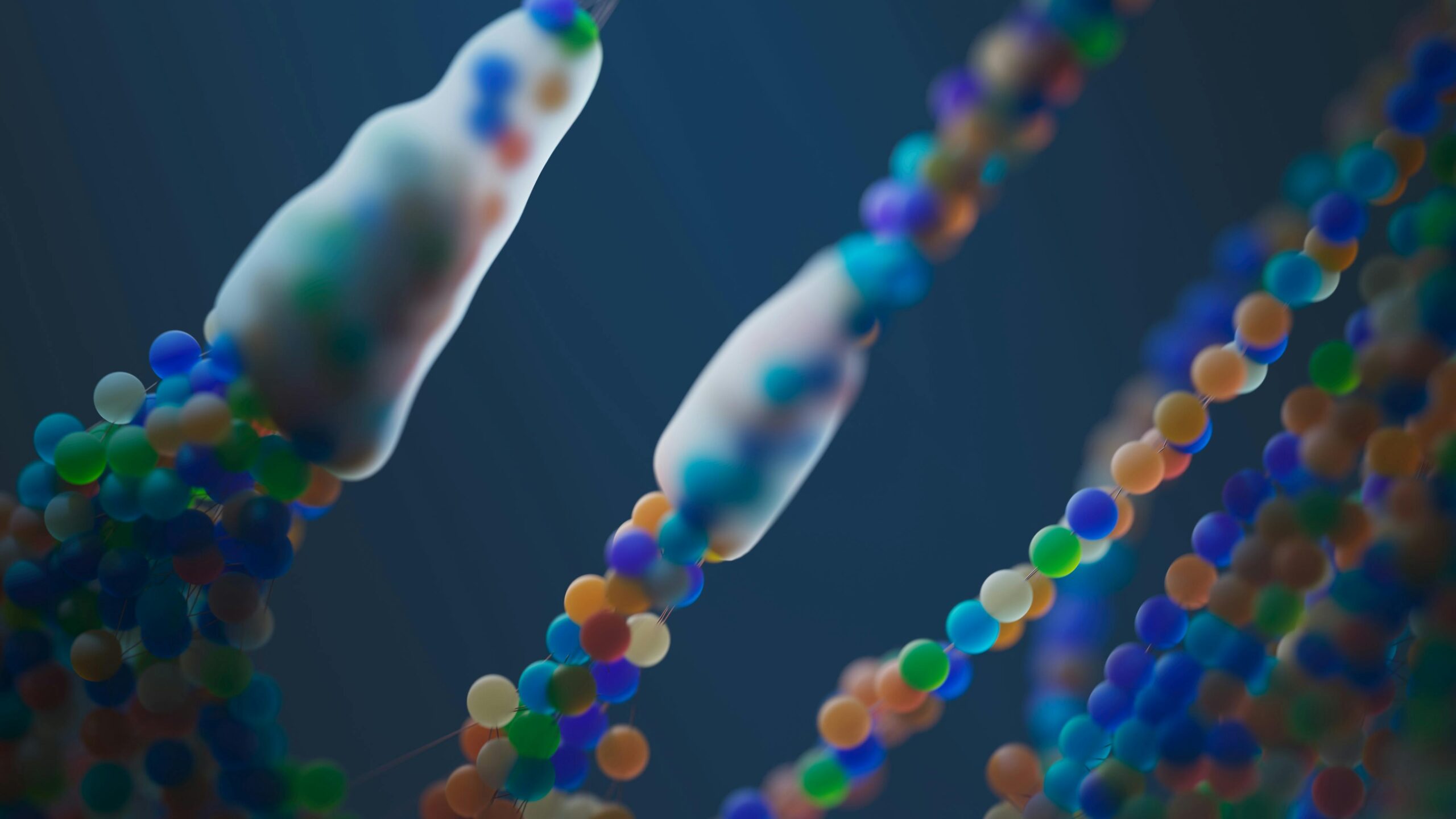
Our cells face constant DNA damage every day, yet most of us remain healthy and vibrant for decades. The secret lies in sophisticated DNA repair mechanisms that work tirelessly to maintain our genetic integrity and potentially hold the key to extending our healthspan.

🧬 The Foundation: Understanding DNA Damage and Its Impact on Aging
Every single day, each cell in your body experiences approximately 70,000 instances of DNA damage. This astonishing number comes from various sources: ultraviolet radiation from sunlight, environmental toxins, metabolic byproducts, and even the natural errors that occur during DNA replication. Without efficient repair mechanisms, these damages would accumulate rapidly, leading to cellular dysfunction, disease, and accelerated aging.
DNA damage doesn’t just happen randomly—it’s an inevitable consequence of being alive. When you breathe, your cells generate reactive oxygen species as byproducts of energy production. When you step outside, UV rays penetrate your skin and create thymine dimers in your DNA. When you eat grilled foods, you consume compounds that can bind to and damage your genetic material. The question isn’t whether DNA damage occurs, but rather how effectively your body can repair it.
The relationship between DNA repair capacity and longevity has been firmly established through decades of research. Studies across multiple species—from yeast to mammals—consistently demonstrate that organisms with more robust DNA repair systems live longer and maintain better health throughout their lifespan. This correlation isn’t coincidental; it’s fundamental to understanding biological aging.
The Major DNA Repair Pathways: Your Cellular Defense System
Your cells employ several sophisticated repair pathways, each specialized to address specific types of DNA damage. Understanding these mechanisms provides insights into how we might enhance them for improved longevity and healthier aging.
Base Excision Repair: The Daily Maintenance Crew
Base excision repair (BER) represents the frontline defense against the most common types of DNA damage. This pathway specifically targets small, non-helix-distorting lesions such as oxidized or alkylated bases. BER works like a precision surgical team, identifying damaged bases, excising them, and replacing them with the correct nucleotides.
The process begins when glycosylase enzymes scan the DNA, recognizing and removing damaged bases. This creates an abasic site, which is then processed by AP endonucleases, polymerases, and ligases to restore the original DNA sequence. The efficiency of BER directly correlates with cellular health and organism lifespan.
Research has shown that enhancing BER activity can protect against age-related diseases. Mice with increased expression of certain BER enzymes demonstrate improved resistance to oxidative stress and age-related cognitive decline. This suggests that supporting BER function could be a viable strategy for promoting healthy aging in humans.
Nucleotide Excision Repair: Removing Bulky Lesions
When DNA damage creates significant distortions in the double helix structure—such as those caused by UV radiation—nucleotide excision repair (NER) takes charge. This pathway is essential for removing bulky, helix-distorting lesions that would otherwise block DNA replication and transcription.
NER operates through two sub-pathways: global genome NER, which surveys the entire genome for damage, and transcription-coupled NER, which prioritizes repair of actively transcribed genes. The latter ensures that essential cellular functions can continue even when DNA damage is present elsewhere in the genome.
The importance of NER becomes tragically apparent in genetic conditions like Xeroderma Pigmentosum, where defective NER leads to extreme sun sensitivity, premature aging, and dramatically increased cancer risk. Conversely, individuals with particularly efficient NER systems often exhibit remarkable resistance to skin aging and sun damage.
Mismatch Repair: The Proofreading Specialist
Despite the high fidelity of DNA polymerases during replication, errors still occur at a rate of approximately one mistake per billion nucleotides copied. Mismatch repair (MMR) provides an additional layer of quality control, detecting and correcting these replication errors before they become permanent mutations.
The MMR system recognizes mismatched base pairs and small insertion-deletion loops that escape the proofreading function of DNA polymerases. By removing these errors, MMR reduces the mutation rate by approximately 100 to 1,000-fold, serving as a critical guardian of genome stability.
Defects in MMR genes are associated with Lynch syndrome, a hereditary condition that dramatically increases cancer risk. This underscores the essential role of MMR in preventing age-related diseases and maintaining long-term health.
🔬 Double-Strand Break Repair: The Emergency Response Team
Among all types of DNA damage, double-strand breaks (DSBs) pose the greatest threat to genomic integrity. A single unrepaired DSB can be lethal to a cell, and multiple DSBs can trigger cellular senescence or apoptosis. Your cells employ two primary strategies to repair these catastrophic lesions.
Homologous Recombination: The High-Fidelity Option
Homologous recombination (HR) represents the most accurate method for repairing double-strand breaks. This pathway uses the undamaged sister chromatid as a template, ensuring that the original DNA sequence is faithfully restored. HR is primarily active during the S and G2 phases of the cell cycle when sister chromatids are available.
The HR process involves complex molecular machinery, including proteins like RAD51, BRCA1, and BRCA2. These proteins work together to align the broken DNA ends with the homologous template, perform strand exchange, and synthesize new DNA to restore the original sequence. Mutations in HR genes, particularly BRCA1 and BRCA2, significantly increase cancer risk and are associated with accelerated aging phenotypes.
Non-Homologous End Joining: The Quick Fix
When time is of the essence or no homologous template is available, cells rely on non-homologous end joining (NHEJ). This pathway directly ligates broken DNA ends without requiring a template, making it faster but more error-prone than HR. NHEJ is particularly important in non-dividing cells and during the G1 phase of the cell cycle.
While NHEJ provides rapid repair, its imprecise nature can lead to small insertions or deletions at the repair site. These mutations accumulate over time and contribute to age-related genomic instability. Interestingly, the balance between HR and NHEJ shifts with age, with many organisms showing decreased HR efficiency and increased reliance on the more error-prone NHEJ pathway.
The Connection Between DNA Repair and Cellular Senescence
Cellular senescence—the irreversible arrest of cell division—represents both a tumor suppression mechanism and a driver of aging. When DNA damage becomes too extensive to repair efficiently, cells can enter senescence rather than continue dividing with compromised genomes. While this prevents cancer, accumulated senescent cells contribute to tissue dysfunction and age-related pathologies.
Senescent cells secrete inflammatory molecules, growth factors, and matrix-degrading enzymes—collectively known as the senescence-associated secretory phenotype (SASP). This SASP creates a pro-inflammatory environment that accelerates aging in surrounding tissues and can even induce senescence in neighboring cells.
The relationship between DNA repair capacity and senescence is bidirectional. Robust DNA repair can prevent the accumulation of damage that triggers senescence, while declining repair efficiency with age leads to increased senescent cell burden. Strategies that enhance DNA repair may therefore reduce senescence and its associated aging phenotypes.
💡 Boosting Your DNA Repair Capacity: Evidence-Based Strategies
While we inherit our baseline DNA repair capacity, emerging research suggests we can influence its efficiency through lifestyle interventions and targeted strategies. These approaches hold promise for extending healthspan and promoting more youthful aging.
Nutritional Support for DNA Repair
Certain nutrients play essential roles in DNA repair processes. Adequate intake of these compounds can support optimal repair function:
- Nicotinamide (Vitamin B3): Serves as a precursor for NAD+, which is essential for PARP enzymes involved in DNA repair. Studies show that nicotinamide supplementation can enhance DNA repair capacity and protect against UV-induced damage.
- Folate and B vitamins: Critical for nucleotide synthesis and methylation reactions involved in DNA repair. Deficiency impairs repair capacity and increases mutation rates.
- Zinc and selenium: These trace minerals are cofactors for numerous DNA repair enzymes. Adequate levels support optimal repair function across multiple pathways.
- Antioxidants: Compounds like vitamin C, vitamin E, and polyphenols reduce oxidative DNA damage, decreasing the repair burden on cellular systems.
The Role of Caloric Restriction and Intermittent Fasting
Caloric restriction and intermittent fasting consistently emerge as powerful interventions for enhancing DNA repair capacity. These dietary patterns trigger cellular stress response pathways that upregulate repair mechanisms and improve genomic maintenance.
During fasting periods, cells shift resources toward maintenance and repair rather than growth and reproduction. This metabolic switch activates autophagy, enhances antioxidant defenses, and increases expression of DNA repair genes. Human studies demonstrate that intermittent fasting can improve markers of DNA damage and oxidative stress, suggesting enhanced repair capacity.
Exercise: A Natural DNA Repair Enhancer
Regular physical activity emerges as one of the most powerful lifestyle interventions for supporting DNA repair. Exercise induces transient stress that activates adaptive responses, including upregulation of DNA repair pathways.
Both aerobic and resistance training have been shown to enhance DNA repair capacity, reduce oxidative DNA damage, and improve overall genomic stability. The benefits appear dose-dependent, with moderate to vigorous exercise providing greater improvements than light activity. Importantly, the DNA repair benefits of exercise extend beyond the immediate post-exercise period, with trained individuals showing persistently higher baseline repair capacity.
🧪 Emerging Therapies and Future Directions
The field of DNA repair research is rapidly evolving, with several promising therapeutic approaches on the horizon. These interventions aim to directly enhance repair capacity or compensate for age-related decline in repair efficiency.
NAD+ Precursor Supplementation
NAD+ levels decline substantially with age, impairing the function of PARP enzymes and sirtuins involved in DNA repair. Supplementation with NAD+ precursors like nicotinamide riboside (NR) or nicotinamide mononucleotide (NMN) can restore NAD+ levels and enhance DNA repair capacity.
Clinical trials have demonstrated that NAD+ precursor supplementation improves markers of DNA damage, reduces inflammation, and enhances mitochondrial function. While long-term human studies are ongoing, animal research suggests these compounds may extend healthspan by supporting genomic maintenance.
Senolytics: Clearing Damaged Cells
Senolytic drugs selectively eliminate senescent cells that have accumulated due to persistent DNA damage. By removing these cells and their pro-inflammatory SASP factors, senolytics may alleviate age-related tissue dysfunction and create a more favorable environment for healthy cells.
Early clinical trials with senolytic compounds show promise for treating age-related conditions, with improvements observed in physical function, inflammation markers, and tissue health. As senescent cells accumulate partly due to declining DNA repair capacity, senolytics may work synergistically with repair-enhancing interventions.
The Longevity Connection: Why DNA Repair Capacity Predicts Lifespan
Across the animal kingdom, DNA repair capacity correlates remarkably well with maximum lifespan. Long-lived species like humans, elephants, and bowhead whales possess more efficient and robust DNA repair systems than short-lived species of similar size.
This relationship isn’t merely correlative—it’s causal. Genetic manipulations that enhance DNA repair extend lifespan in model organisms, while impaired repair accelerates aging. The implication is profound: improving our DNA repair capacity represents a fundamental approach to extending healthy human lifespan.
Comparative studies reveal that centenarians often possess superior DNA repair capacity compared to average individuals of the same chronological age. Their cells more efficiently repair damage, maintain genomic stability, and resist cellular senescence. This suggests that optimizing DNA repair through lifestyle interventions or future therapies could help more people achieve exceptional longevity.
🎯 Practical Implementation: Your DNA Repair Action Plan
Translating research findings into actionable strategies requires a comprehensive approach that addresses multiple aspects of DNA repair support:
- Minimize DNA damage exposure: Use sun protection, avoid tobacco smoke, reduce exposure to environmental toxins, and limit consumption of charred or processed foods.
- Optimize nutrition: Ensure adequate intake of B vitamins, antioxidants, and essential minerals that support repair processes.
- Consider targeted supplementation: Based on individual needs and under healthcare guidance, NAD+ precursors and other repair-supporting compounds may be beneficial.
- Establish regular exercise habits: Aim for a combination of aerobic and resistance training to maximize DNA repair enhancement.
- Implement time-restricted eating: Consider intermittent fasting protocols that trigger cellular maintenance and repair pathways.
- Prioritize sleep quality: Adequate sleep supports optimal repair function, as many repair processes are most active during rest periods.
- Manage stress effectively: Chronic psychological stress impairs DNA repair capacity through multiple mechanisms, making stress management essential.

The Transformative Potential of DNA Repair Science
Understanding DNA repair pathways represents far more than academic interest—it provides a roadmap for interventions that could dramatically extend healthy human lifespan. As research advances, we’re moving from simply understanding these mechanisms to actively enhancing them through targeted interventions.
The convergence of lifestyle modifications, nutritional strategies, and emerging therapies creates unprecedented opportunities to optimize our cellular repair systems. While genetic factors establish our baseline repair capacity, the considerable plasticity of these systems means we have substantial control over how effectively they function throughout our lives.
The future of longevity medicine increasingly focuses on maintaining and enhancing DNA repair capacity as a foundational strategy. Rather than treating individual age-related diseases as they emerge, supporting robust genomic maintenance addresses a root cause of aging itself. This paradigm shift from disease treatment to health maintenance represents a revolutionary approach to extending human healthspan.
As we continue unlocking the secrets of DNA repair pathways, we’re not just learning about cellular biology—we’re discovering practical strategies to stay healthier and more vibrant as we age. The key to longevity and youthful aging may well lie in these molecular guardians that work ceaselessly to maintain our genetic integrity. By supporting their function through evidence-based interventions, we can potentially add not just years to our lives, but life to our years.