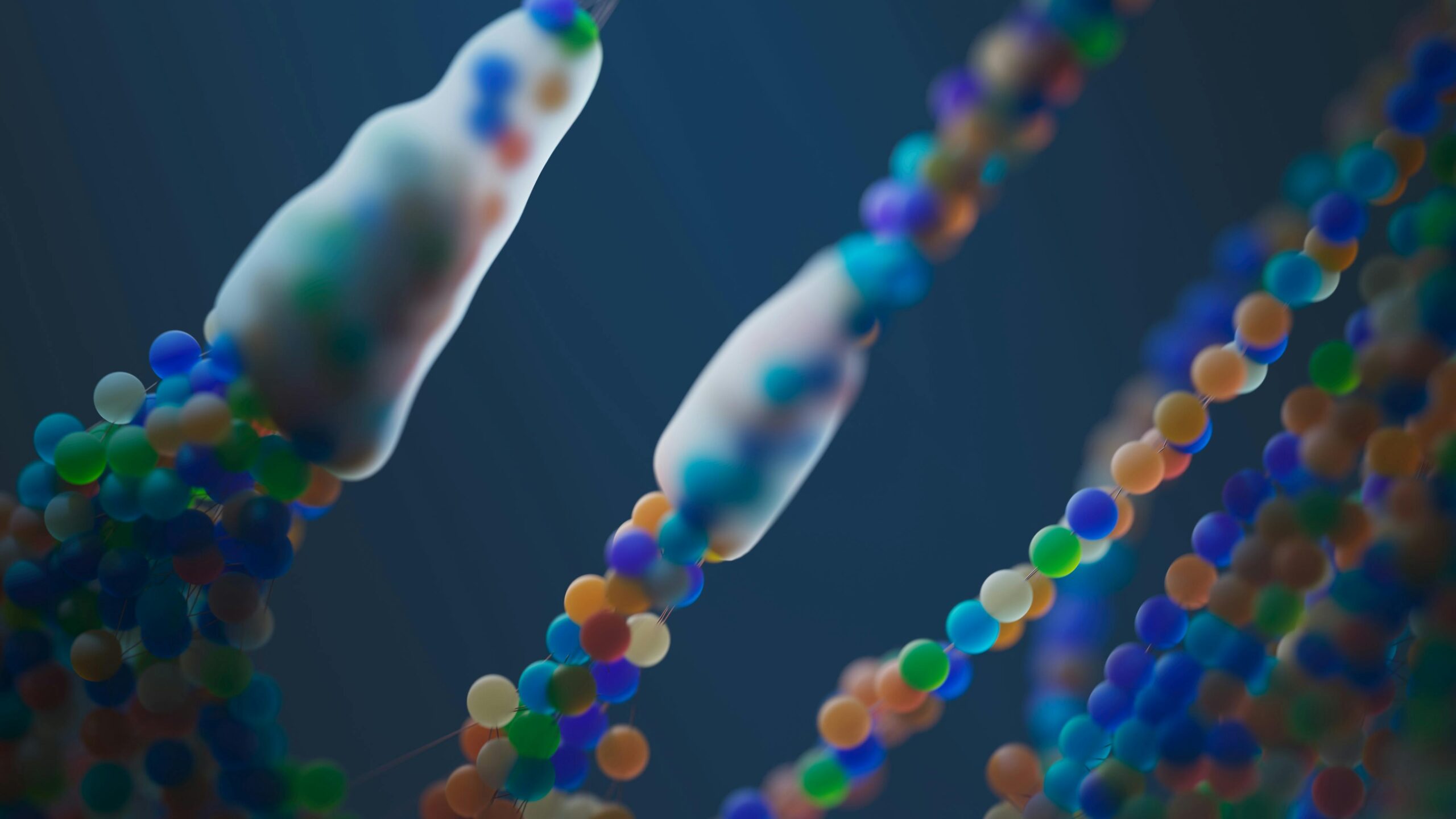
The discovery of Yamanaka factors revolutionized regenerative medicine by demonstrating how adult cells can be reprogrammed into pluripotent stem cells, opening unprecedented possibilities for healing.

🧬 The Revolutionary Discovery That Changed Medicine Forever
In 2006, Japanese scientist Shinya Yamanaka made a groundbreaking discovery that would earn him the Nobel Prize in Physiology or Medicine just six years later. He identified four specific transcription factors—Oct4, Sox2, Klf4, and c-Myc—that could reprogram adult differentiated cells back into an embryonic-like pluripotent state. These proteins, now universally known as Yamanaka factors, challenged the long-held belief that cellular differentiation was a one-way street with no return.
Before this discovery, scientists believed that once a cell committed to a specific fate—becoming a skin cell, nerve cell, or muscle cell—it could never revert to its original multipotent or pluripotent state. Yamanaka’s work demonstrated that cellular identity is far more flexible than previously imagined, controlled by a specific combination of transcription factors that regulate gene expression patterns.
The implications of this discovery extend far beyond the laboratory. These four factors essentially hold the molecular keys to cellular rejuvenation, offering potential treatments for age-related diseases, degenerative conditions, and tissue damage that were previously considered irreversible.
Understanding the Mechanism Behind Cellular Reprogramming
Yamanaka factors work by binding to specific DNA sequences and activating genes associated with pluripotency while simultaneously silencing genes responsible for maintaining differentiated cell identity. This process involves extensive epigenetic remodeling, where the chemical modifications on DNA and histones are stripped away and replaced with marks characteristic of embryonic stem cells.
The reprogramming process typically takes between two to four weeks and is relatively inefficient, with only a small percentage of cells successfully converting to induced pluripotent stem cells (iPSCs). During this transformation, cells undergo dramatic changes in their morphology, metabolism, and gene expression profiles, gradually acquiring the characteristics of embryonic stem cells.
The Four Factors and Their Individual Roles
Each Yamanaka factor plays a distinct yet interconnected role in the reprogramming process:
- Oct4 (Octamer-binding transcription factor 4): Considered the master regulator of pluripotency, Oct4 maintains self-renewal capacity and prevents differentiation by activating pluripotency genes and repressing lineage-specific genes.
- Sox2 (SRY-box transcription factor 2): Works synergistically with Oct4 to regulate pluripotency genes and is essential for maintaining the undifferentiated state of embryonic stem cells.
- Klf4 (Kruppel-like factor 4): Facilitates the reprogramming process by promoting cell proliferation and suppressing differentiation while also serving as a tumor suppressor in certain contexts.
- c-Myc (cellular Myelocytomatosis oncogene): Accelerates the reprogramming process by enhancing cell proliferation and chromatin remodeling, though its oncogenic potential requires careful management in therapeutic applications.
🔬 From Laboratory Discovery to Clinical Applications
The journey from Yamanaka’s initial discovery to practical medical applications has been rapid and remarkable. Researchers worldwide have been exploring how these factors can be harnessed not just to create iPSCs in culture dishes, but to rejuvenate tissues directly within living organisms—a concept known as in vivo reprogramming.
Several pioneering studies have demonstrated that partial reprogramming—briefly expressing Yamanaka factors without fully converting cells to pluripotent state—can reverse age-related changes in tissues. This approach allows cells to reset their epigenetic clocks without losing their specialized functions, potentially offering a way to combat aging at the cellular level.
Breakthrough Studies in Age Reversal
In 2016, Juan Carlos Izpisua Belmonte’s laboratory at the Salk Institute published groundbreaking research showing that intermittent expression of Yamanaka factors could extend lifespan and improve health span in mice with accelerated aging conditions. The treated mice showed improvements in multiple organs, including the pancreas, kidney, and skin, without developing tumors or losing tissue identity.
More recent studies have demonstrated that partial reprogramming can restore youthful function to aged muscle tissue, improve vision by reversing glaucoma-induced damage to retinal ganglion cells, and even rejuvenate aged immune cells. These findings suggest that Yamanaka factors could become powerful tools in the fight against age-related decline.
The Epigenetic Clock and Cellular Age
Central to understanding how Yamanaka factors enable cellular rejuvenation is the concept of the epigenetic clock. Throughout our lives, cells accumulate chemical modifications to their DNA and associated proteins—particularly methyl groups attached to cytosine bases. These modifications don’t change the DNA sequence itself but profoundly affect which genes are active or silent.
Scientists like Steve Horvath have developed algorithms that can accurately predict a person’s chronological age based on specific patterns of DNA methylation. More importantly, this epigenetic age often differs from chronological age and correlates strongly with health outcomes and mortality risk. A person whose cells appear epigenetically older than their actual age faces higher risks of age-related diseases.
Yamanaka factors effectively reset this epigenetic clock, stripping away the accumulated marks of aging and restoring a more youthful epigenetic profile. This reset appears to be one of the primary mechanisms through which these factors promote cellular rejuvenation and improved function.
⚡ Potential Therapeutic Applications on the Horizon
The therapeutic potential of Yamanaka factors extends across multiple medical disciplines, from regenerative medicine to gerontology. Researchers are actively developing strategies to harness their power for treating various conditions.
Regenerative Medicine and Tissue Repair
One of the most promising applications involves generating patient-specific cells for transplantation. By taking a patient’s own cells, reprogramming them to iPSCs, and then differentiating them into the needed cell type, doctors could potentially create perfectly matched replacement tissues without risk of immune rejection. This approach shows particular promise for treating conditions like Parkinson’s disease, macular degeneration, heart disease, and diabetes.
Clinical trials using iPSC-derived cells are already underway for several conditions. In Japan, patients with age-related macular degeneration have received transplants of retinal cells derived from iPSCs, with encouraging early results. Similar trials are planned or in progress for treating heart disease with cardiac muscle cells and Parkinson’s disease with dopamine-producing neurons.
Anti-Aging Interventions
Perhaps the most ambitious application involves using Yamanaka factors to combat aging itself. Rather than treating specific diseases, this approach aims to address the root cause of age-related decline: the gradual deterioration of cellular function over time.
Companies like Altos Labs, Calico, and Rejuvenate Bio are investing heavily in developing safe methods to deliver partial reprogramming factors to rejuvenate aged tissues. The challenge lies in finding the right balance—expressing the factors long enough to reset cellular age but not so long that cells lose their specialized identities or become cancerous.
🛡️ Safety Considerations and Challenges
Despite their tremendous potential, Yamanaka factors present significant safety challenges that must be addressed before widespread therapeutic use becomes possible. The primary concern involves cancer risk, particularly associated with c-Myc, which is a known oncogene involved in many cancers.
Full reprogramming to pluripotency carries the risk of teratoma formation—tumors containing multiple tissue types that arise when pluripotent cells differentiate uncontrollably. Even partial reprogramming must be carefully controlled to avoid dedifferentiation beyond the safe threshold where cells maintain their tissue-specific identity.
Developing Safer Delivery Methods
Researchers are developing multiple strategies to enhance safety while maintaining effectiveness:
- Non-integrating delivery systems: Using mRNA, proteins, or non-integrating viral vectors to deliver factors temporarily without permanently altering the genome.
- Alternative factor combinations: Exploring cocktails that exclude c-Myc or include additional factors to enhance safety.
- Cyclic dosing regimens: Administering factors intermittently to achieve rejuvenation while minimizing cancer risk.
- Small molecule approaches: Identifying drugs that can induce similar reprogramming effects without directly introducing the transcription factors.
The Science of Cellular Identity and Plasticity
Yamanaka’s discovery fundamentally changed our understanding of cellular identity. Rather than being permanently fixed, cell fate appears to be actively maintained by specific transcription factor networks. When these networks are disrupted by introducing alternative factors, cells can transition to different states.
This plasticity exists within a landscape of possible cell states, often described as Waddington’s epigenetic landscape—a metaphorical terrain where cells roll downhill into valleys representing stable differentiated states. Yamanaka factors essentially provide the energy to push cells back uphill to the pluripotent peak, from which they can roll into different valleys.
Understanding this landscape and the molecular barriers between different cell states is crucial for developing more efficient and controlled reprogramming methods. Researchers are mapping the intermediate states that cells pass through during reprogramming, identifying roadblocks that reduce efficiency, and finding ways to smooth the path from differentiated to pluripotent states.
💡 Cutting-Edge Research and Future Directions
The field of cellular reprogramming continues to evolve rapidly, with new discoveries expanding the potential applications of Yamanaka factors and related technologies.
Partial Reprogramming Protocols
Recent research focuses heavily on optimizing partial reprogramming protocols that rejuvenate cells without converting them to pluripotency. Scientists are determining the precise duration and intensity of factor expression needed to reset age-related changes while preserving tissue function.
Studies have shown that brief pulses of Yamanaka factor expression—lasting just days rather than weeks—can reduce epigenetic age markers and improve cellular function without triggering pluripotency genes. This finding opens the door to safer rejuvenation therapies that could be administered periodically throughout a person’s life.
Direct Lineage Conversion
Beyond reprogramming to pluripotency, researchers are using knowledge gained from Yamanaka factors to directly convert one cell type to another without passing through a pluripotent intermediate. This process, called transdifferentiation or direct reprogramming, potentially offers faster and safer methods for generating therapeutic cells.
Scientists have successfully converted fibroblasts directly into neurons, cardiomyocytes, hepatocytes, and various other cell types by identifying the appropriate transcription factor combinations. These approaches may prove particularly valuable for in vivo therapies where cells are converted directly within the body.
Personalized Medicine and Disease Modeling
Even before direct therapeutic applications reach patients, iPSCs generated using Yamanaka factors are already transforming medicine through disease modeling and drug discovery. Researchers can create iPSCs from patients with genetic diseases, differentiate them into affected cell types, and study disease mechanisms in culture dishes.
This approach provides unprecedented opportunities to understand rare genetic conditions, test potential treatments on patient-specific cells before administering them to humans, and develop personalized treatment strategies based on individual genetic profiles. Pharmaceutical companies are increasingly using iPSC-derived cells to screen drug candidates for efficacy and toxicity, potentially speeding development while reducing animal testing.
🌟 The Convergence of Technologies
The power of Yamanaka factors is being amplified by convergence with other cutting-edge technologies. CRISPR gene editing can correct genetic defects in patient-derived iPSCs before differentiation, creating corrected cells for transplantation. Advanced biomaterials and tissue engineering techniques enable creation of complex three-dimensional tissue structures from reprogrammed cells.
Artificial intelligence and machine learning are accelerating discovery by analyzing vast datasets to predict optimal factor combinations, dosing regimens, and culture conditions for different reprogramming goals. These computational approaches help navigate the enormous parameter space involved in cellular reprogramming, identifying promising strategies much faster than traditional trial-and-error experimentation.
Ethical and Societal Implications
As with any powerful biomedical technology, cellular reprogramming raises important ethical questions. If safe rejuvenation therapies become available, who will have access to them? Could they exacerbate existing health inequalities, or might they eventually become widely accessible like other medical interventions?
Questions about human lifespan extension also spark philosophical debates about the meaning of aging, the natural human lifespan, and potential societal impacts of substantially extended healthspan. These discussions will become increasingly urgent as reprogramming technologies move closer to clinical reality.
🔮 Looking Toward a Regenerative Future
Fifteen years after Yamanaka’s initial discovery, we stand at the threshold of a regenerative medicine revolution. The ability to reset cellular age and restore youthful function to damaged or degenerating tissues could transform how we treat diseases and approach aging itself.
While significant challenges remain—particularly regarding safety, delivery methods, and regulatory pathways—the pace of progress suggests that some applications of Yamanaka factors will reach patients within the coming decade. The first approved therapies will likely target specific conditions like macular degeneration or localized tissue damage rather than systemic aging interventions.
As technologies mature and safety profiles improve, more ambitious applications become conceivable. Periodic rejuvenation therapies might one day become routine preventive medicine, maintaining cellular health and forestalling age-related decline. Regenerative medicine could shift from treating diseases after they develop to maintaining wellness throughout the lifespan.
The discovery of Yamanaka factors revealed that cellular age is not immutably written in our DNA but rather encoded in reversible epigenetic marks. This insight fundamentally changes our relationship with aging—from inevitable decline to potentially modifiable process. While we cannot yet promise eternal youth, we can increasingly envision a future where healthspan matches lifespan, and cellular rejuvenation helps us maintain vitality throughout longer, healthier lives.
The journey from Yamanaka’s modest laboratory experiments to potential age-reversal therapies illustrates science’s power to transform possibilities once considered purely science fiction into approaching medical reality. As research continues and technologies advance, these four simple factors may indeed unlock our cells’ regenerative potential, offering hope for treating currently incurable conditions and reimagining what it means to age.