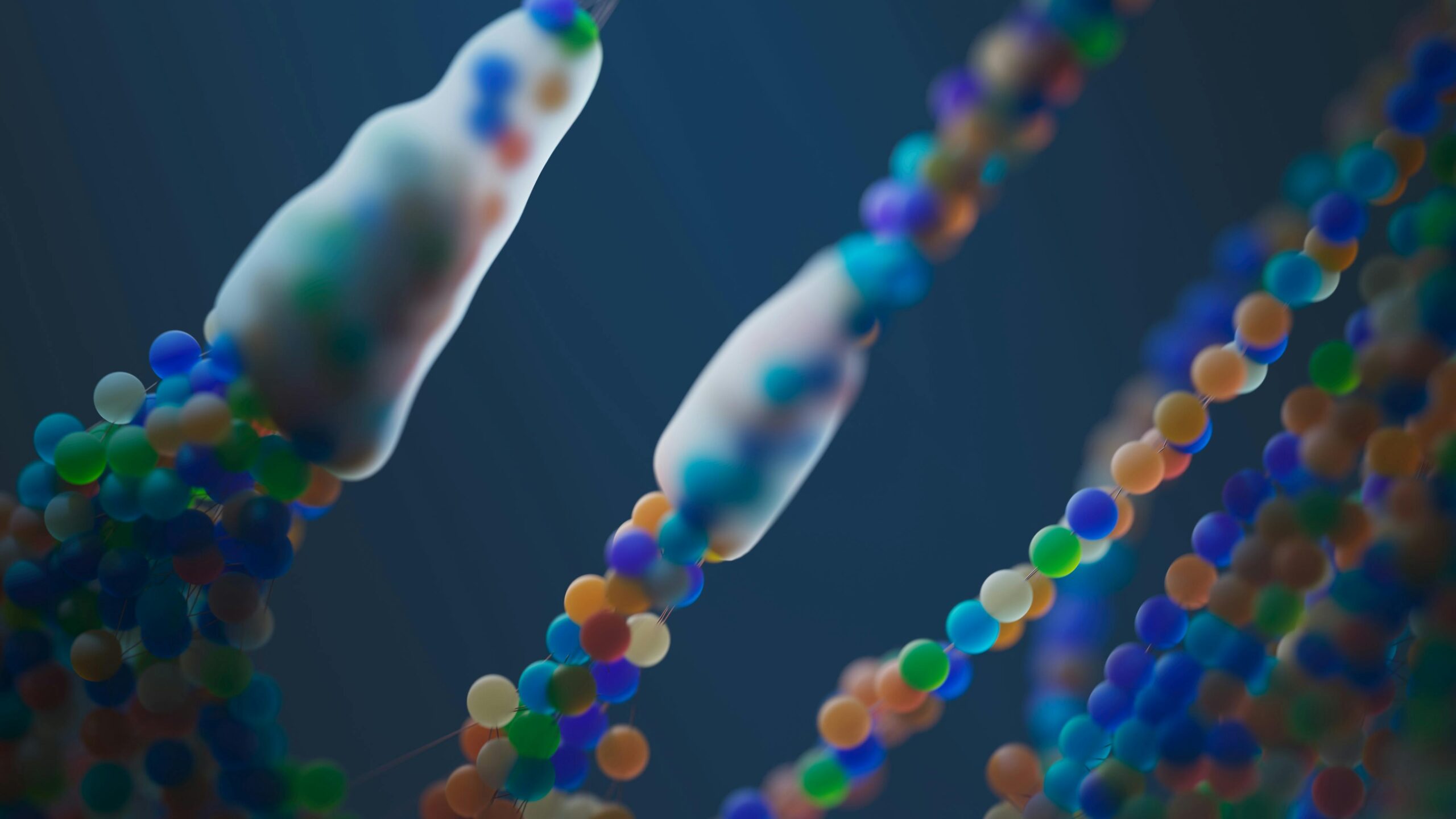
Scientists have finally cracked the code behind tissue regeneration, revealing intricate molecular pathways that orchestrate healing at the cellular level. 🔬

For centuries, humanity has marveled at the body’s remarkable ability to heal itself. From minor cuts that seal within days to fractured bones that mend over weeks, tissue repair represents one of nature’s most sophisticated biological processes. Yet despite this everyday miracle occurring within our bodies, the precise molecular mechanisms driving regeneration have remained shrouded in mystery—until now.
Recent breakthroughs in molecular biology, genomics, and regenerative medicine have illuminated the complex blueprint that governs tissue repair. Researchers worldwide are uncovering how specific genes activate, proteins interact, and cellular signals coordinate to transform damaged tissue into fully functional structures. This newfound knowledge isn’t merely academically fascinating; it holds transformative potential for treating injuries, diseases, and age-related degeneration that affect millions globally.
🧬 The Cellular Orchestra: Understanding Tissue Repair Fundamentals
Tissue repair operates through a highly coordinated sequence of biological events, comparable to a symphony where each instrument must play its part precisely. When injury occurs, whether through trauma, disease, or surgical intervention, the body immediately initiates a cascade of molecular responses designed to restore structural integrity and function.
The repair process fundamentally involves three overlapping phases: inflammation, proliferation, and remodeling. Each phase depends on specific molecular signals, cellular actors, and environmental conditions. Understanding these phases at the molecular level has revealed surprising complexity and remarkable elegance in biological design.
At the heart of tissue repair lies cellular communication—an intricate language of chemical signals that cells use to coordinate their actions. Growth factors, cytokines, chemokines, and other signaling molecules act as messengers, instructing cells when to divide, migrate, differentiate, or even undergo programmed death. This molecular conversation determines whether healing proceeds smoothly or results in complications like chronic wounds or excessive scarring.
The Inflammatory Response: More Than Just Swelling
Traditionally viewed as merely a defensive reaction, inflammation actually serves as the crucial first act in the repair drama. The moment tissue sustains damage, cells release damage-associated molecular patterns (DAMPs) that function as alarm signals, alerting the immune system to injury.
These molecular alarms trigger the recruitment of neutrophils and macrophages—specialized white blood cells that clear debris, pathogens, and damaged cellular components. However, recent research has revealed that these immune cells do far more than cleanup; they actively secrete growth factors and cytokines that prepare the tissue microenvironment for regeneration.
Macrophages, in particular, undergo remarkable transformations during healing. They can switch between pro-inflammatory (M1) and pro-healing (M2) phenotypes, adjusting their molecular output according to the repair stage. This plasticity, controlled by specific transcription factors and epigenetic modifications, represents a sophisticated regulatory mechanism that scientists are now beginning to decode and potentially manipulate therapeutically.
🔍 Decoding the Molecular Switches: Key Signaling Pathways
The transition from injury to healed tissue depends on several master signaling pathways that act as molecular switches, turning repair processes on and off with exquisite precision. These pathways include the transforming growth factor-beta (TGF-β) pathway, Wnt signaling, Notch signaling, and the Hedgehog pathway—each contributing unique instructions to the regenerative program.
TGF-β: The Master Regulator of Fibrosis and Regeneration
The TGF-β superfamily represents perhaps the most extensively studied signaling system in tissue repair. This pathway controls fibroblast activation, extracellular matrix production, and the balance between regeneration and scar formation. When precisely regulated, TGF-β signaling promotes orderly tissue reconstruction; when dysregulated, it leads to pathological fibrosis and organ dysfunction.
Recent molecular studies have identified specific TGF-β isoforms and receptor subtypes that determine healing outcomes. TGF-β1 and TGF-β2 generally promote scarring, while TGF-β3 appears to favor scarless healing—a distinction that has enormous therapeutic implications. Pharmaceutical companies are now developing molecules that selectively modulate these isoforms to improve healing outcomes in conditions ranging from surgical wounds to heart disease.
Wnt Signaling: The Regenerative Powerhouse
The Wnt pathway, famous for its role in embryonic development, re-emerges as a critical player during adult tissue repair. This ancient signaling system regulates stem cell behavior, cellular proliferation, and tissue patterning during regeneration. Wnt proteins bind to cell surface receptors, triggering cascades that ultimately affect gene expression through β-catenin and other transcription factors.
Scientists have discovered that different tissues employ Wnt signaling in context-specific ways. In intestinal repair, Wnt maintains stem cell populations that constantly renew the gut lining. In bone healing, Wnt promotes osteoblast differentiation and mineralization. Understanding these tissue-specific variations in Wnt signaling has opened new avenues for targeted therapeutic interventions that enhance regeneration without unwanted side effects.
🧪 The Stem Cell Secret: Cellular Plasticity in Action
Among the most exciting discoveries in tissue repair research involves the identification and characterization of tissue-resident stem cells and progenitor populations. These cellular reservoirs possess the remarkable ability to generate multiple specialized cell types, making them essential for replacing cells lost to injury or disease.
Every organ system harbors specific stem cell niches—specialized microenvironments that maintain stem cells in a quiescent state until injury signals trigger their activation. The molecular composition of these niches, including specific extracellular matrix proteins, growth factors, and cellular interactions, determines stem cell behavior and regenerative capacity.
Recent single-cell sequencing technologies have revolutionized our understanding of cellular heterogeneity during repair. These powerful techniques reveal that what scientists once considered uniform cell populations actually consist of multiple distinct subtypes, each with unique molecular signatures and functional capabilities. This granular understanding enables more precise therapeutic targeting of specific cellular subpopulations that drive regeneration.
Reprogramming and Transdifferentiation: Nature’s Backup Plan
Perhaps the most astonishing discovery involves cellular reprogramming during tissue repair. Under certain conditions, mature differentiated cells can revert to more primitive states or even directly convert into entirely different cell types—a process called transdifferentiation. This cellular flexibility represents nature’s backup regenerative strategy when conventional stem cell pathways prove insufficient.
Molecular studies have identified specific transcription factor combinations that drive reprogramming. The famous Yamanaka factors (Oct4, Sox2, Klf4, and c-Myc) can reset cells to pluripotency in laboratory settings, but endogenous reprogramming during natural healing involves different, tissue-specific factor combinations. Identifying and harnessing these natural reprogramming circuits could enable revolutionary regenerative therapies that coax the body to regenerate tissues previously thought irreplaceable.
🌟 The Extracellular Matrix: More Than Structural Scaffolding
The extracellular matrix (ECM)—the complex network of proteins and polysaccharides surrounding cells—has emerged from obscurity to take center stage in regenerative biology. Far from being inert scaffolding, the ECM actively instructs cellular behavior through biochemical and biomechanical signals.
Collagen, fibronectin, laminin, and proteoglycans form intricate three-dimensional architectures that cells navigate during repair. These matrix components contain cryptic binding sites that become exposed during tissue remodeling, revealing hidden molecular information that guides cellular decisions. Matrix metalloproteinases (MMPs) and other enzymes constantly sculpt the ECM landscape, releasing bioactive fragments and creating paths for cell migration.
The mechanical properties of the ECM—its stiffness, elasticity, and topography—profoundly influence cellular fate through mechanotransduction pathways. Cells literally sense and respond to physical forces through integrin receptors and mechanosensitive channels, translating mechanical information into biochemical signals that affect gene expression. This mechanical dimension of tissue repair adds another layer of complexity that researchers are now learning to manipulate for therapeutic benefit.
💊 Translating Molecular Insights Into Medical Breakthroughs
The explosion of molecular knowledge about tissue repair isn’t merely satisfying scientific curiosity—it’s catalyzing a new era of regenerative medicine. Researchers and clinicians are developing innovative therapies that leverage these molecular insights to enhance healing, reduce scarring, and even regenerate tissues previously considered permanently damaged.
Biologics and Growth Factor Therapies
Understanding which growth factors drive specific aspects of repair has enabled the development of targeted biologic therapies. Platelet-derived growth factor (PDGF), fibroblast growth factor (FGF), and vascular endothelial growth factor (VEGF) formulations are now clinically available for treating chronic wounds, promoting bone healing, and encouraging blood vessel formation.
These therapies work by supplementing or amplifying natural repair signals, jumpstarting stalled healing processes. However, successful application requires precise timing, appropriate dosing, and consideration of the local tissue microenvironment—nuances that continue to be refined through molecular research.
Cell-Based Therapies and Tissue Engineering
Armed with knowledge of stem cell biology and cellular differentiation pathways, scientists are developing sophisticated cell-based therapies. Mesenchymal stem cells, induced pluripotent stem cells, and tissue-specific progenitors are being tested for applications ranging from cartilage repair to cardiac regeneration following heart attacks.
Tissue engineering combines cells, biomaterial scaffolds, and bioactive molecules to create living tissue constructs. By recapitulating the molecular signals and structural features of natural tissue microenvironments, engineers can guide cells to form organized, functional tissues in laboratory settings. Some engineered tissues—including skin, cartilage, and bladder—have already transitioned from research laboratories to clinical practice, offering new hope for patients with otherwise untreatable conditions.
🚀 Future Frontiers: Where Tissue Repair Research Is Heading
Despite remarkable progress, many mysteries remain about the molecular control of tissue repair. Current research frontiers promise even more dramatic breakthroughs that could transform medicine within the coming decades.
Epigenetic Regulation of Regeneration
Epigenetics—heritable changes in gene expression that don’t involve DNA sequence alterations—represents a new frontier in repair research. DNA methylation, histone modifications, and non-coding RNAs create an additional regulatory layer that controls which genes cells activate during healing. Understanding this epigenetic dimension could reveal why regenerative capacity declines with age and how to restore youthful healing potential.
Some organisms, like salamanders and zebrafish, possess extraordinary regenerative abilities that mammals lack. Comparative molecular studies between high-regenerators and humans are identifying epigenetic and genetic differences that determine regenerative capacity. Remarkably, some research suggests that manipulating specific epigenetic marks could unlock latent regenerative programs in mammals, potentially enabling humans to regenerate tissues we currently cannot.
Artificial Intelligence and Predictive Modeling
The sheer complexity of molecular interactions during tissue repair exceeds human capacity for intuitive understanding. Artificial intelligence and machine learning algorithms are now being applied to integrate vast datasets from genomics, proteomics, imaging, and clinical outcomes. These computational approaches identify previously unrecognized patterns and predict how specific molecular interventions will affect healing outcomes.
Predictive modeling could enable personalized regenerative medicine, where treatments are tailored to individual patient molecular profiles. By analyzing a patient’s genetic background, inflammatory markers, and wound characteristics, AI systems could recommend optimal therapeutic approaches with unprecedented precision.
⚡ Overcoming Obstacles: Challenges in Regenerative Medicine
Despite tremendous progress, significant hurdles remain before the full promise of molecular repair knowledge translates into widespread clinical benefits. These challenges span scientific, technical, regulatory, and economic domains.
One fundamental challenge involves the translation of findings from animal models to human patients. Mice—the workhorse of biomedical research—differ from humans in important ways, including healing kinetics, immune responses, and regenerative capacity. What works beautifully in rodent studies sometimes fails in human trials, necessitating better translational models and human-relevant research systems like organoids and tissue chips.
The cost and complexity of advanced regenerative therapies present another barrier. Cell-based treatments and biologic drugs often require sophisticated manufacturing, stringent quality control, and individualized preparation—factors that drive prices beyond reach for many patients. Developing scalable, cost-effective production methods remains a critical priority for democratizing access to regenerative medicine.
Regulatory frameworks designed for traditional pharmaceuticals don’t always fit regenerative products that blur boundaries between drugs, devices, and biological tissues. Creating appropriate regulatory pathways that ensure safety without stifling innovation represents an ongoing challenge for regulatory agencies worldwide.
🌈 The Regenerative Revolution: What It Means for Patients
For individuals suffering from chronic wounds, organ failure, degenerative diseases, or traumatic injuries, these molecular discoveries offer genuine hope. Conditions once considered permanent or progressive may become treatable or even reversible as regenerative therapies mature.
Diabetic ulcers, which affect millions and often lead to amputation, could be healed through growth factor treatments or cell therapies that overcome the molecular defects impairing diabetic wound healing. Heart attack survivors might benefit from therapies that regenerate damaged cardiac muscle rather than merely managing symptoms. Osteoarthritis patients could receive treatments that genuinely regenerate cartilage rather than simply masking pain.
Beyond treating disease, understanding tissue repair at the molecular level could enhance surgical outcomes, reduce scarring from injuries, and even slow aspects of aging. The molecular blueprint of repair provides a roadmap for maintaining tissue health throughout life, potentially extending both lifespan and healthspan.

🔬 Empowering Participation in the Regenerative Future
As regenerative medicine advances, opportunities emerge for individuals to engage with and benefit from these breakthroughs. Clinical trials constantly seek participants to test new therapies, offering access to cutting-edge treatments while advancing medical knowledge. Advocacy organizations connect patients with research opportunities and provide education about emerging options.
Lifestyle factors significantly influence natural tissue repair capacity. Nutrition, exercise, sleep quality, and stress management all affect the molecular pathways governing regeneration. Evidence suggests that adequate protein intake, anti-inflammatory nutrients, and regular physical activity support optimal healing. While these interventions can’t replace medical treatment for serious conditions, they complement therapeutic approaches by optimizing the body’s intrinsic regenerative machinery.
The molecular secrets of tissue repair, painstakingly revealed through decades of research, are finally yielding practical applications that transform medicine from reactive disease treatment to proactive tissue maintenance and regeneration. As understanding deepens and technologies mature, the regenerative revolution promises to reshape healthcare, offering solutions to conditions that have plagued humanity throughout history. The blueprint has been revealed—now comes the exciting work of building a healthier future upon this molecular foundation.