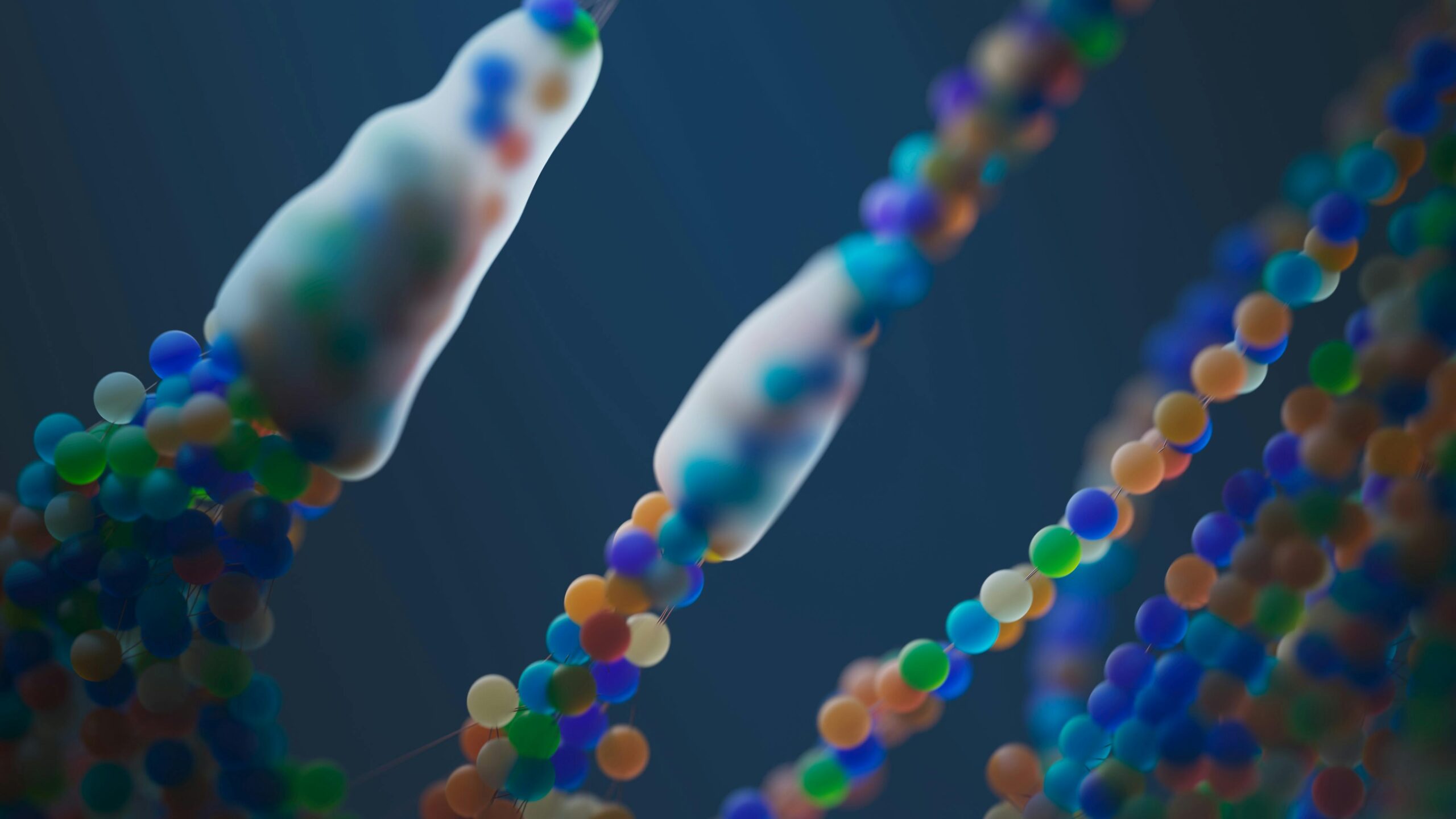
Regenerative exosomes are revolutionizing cellular biology by serving as microscopic messengers that facilitate crucial communication between cells, unlocking unprecedented potential in regenerative medicine and therapeutic interventions. 🧬

The Microscopic Messengers Transforming Medicine
In the intricate landscape of cellular biology, exosomes have emerged as one of the most fascinating and promising discoveries of the 21st century. These tiny extracellular vesicles, measuring between 30 and 150 nanometers in diameter, function as sophisticated courier systems that transport vital information between cells throughout our bodies. What makes regenerative exosomes particularly remarkable is their ability to facilitate healing, repair damaged tissues, and orchestrate complex biological responses that were once thought impossible to replicate or enhance.
The scientific community’s understanding of exosomes has evolved dramatically over recent decades. Initially dismissed as cellular waste products, these nanoscale particles are now recognized as essential components of intercellular communication networks. They carry proteins, lipids, RNA molecules, and other bioactive substances that can influence recipient cell behavior, modulate immune responses, and trigger regenerative processes that extend far beyond conventional medical interventions.
Understanding the Biology Behind Exosome Formation
Exosomes originate through a sophisticated intracellular process known as the endosomal pathway. When cells need to communicate with their neighbors or distant tissues, they package specific molecular cargo into these vesicles through a carefully orchestrated mechanism. The process begins within specialized compartments called multivesicular bodies, where the cell membrane invaginates to create smaller vesicles containing selected proteins, nucleic acids, and signaling molecules.
What distinguishes regenerative exosomes from ordinary cellular debris is their purposeful composition and targeted delivery mechanism. These vesicles contain surface proteins that act like molecular addresses, directing them to specific recipient cells where they can deliver their therapeutic payload. This biological precision makes exosomes remarkably efficient communicators, capable of transmitting complex instructions across tissues and even crossing traditionally impermeable barriers like the blood-brain barrier.
The Molecular Cargo That Powers Regeneration
The contents of regenerative exosomes read like a pharmaceutical formulary designed by nature itself. MicroRNAs constitute one of the most significant components, serving as genetic regulators that can silence or activate specific genes in recipient cells. These tiny RNA molecules can reprogram cellular behavior, encouraging damaged cells to repair themselves or stimulating dormant stem cells to proliferate and differentiate into needed tissue types.
Beyond genetic material, exosomes carry growth factors, cytokines, and signaling proteins that orchestrate tissue regeneration. They transport mitochondrial components that can restore energy production in exhausted cells, and antioxidant enzymes that protect against oxidative stress. This comprehensive cargo explains why exosome therapy shows promise across such diverse medical conditions, from neurodegenerative diseases to cardiovascular disorders and orthopedic injuries.
Revolutionary Applications in Regenerative Medicine 💊
The therapeutic potential of regenerative exosomes spans virtually every medical specialty. In orthopedics, exosomes derived from mesenchymal stem cells have demonstrated remarkable ability to accelerate healing in bone fractures, cartilage injuries, and tendon damage. Clinical trials reveal that patients receiving exosome injections experience faster recovery times, reduced inflammation, and improved functional outcomes compared to conventional treatments.
Cardiovascular medicine represents another frontier where exosome therapy is making significant strides. Following heart attacks, exosomes can be delivered to damaged cardiac tissue where they reduce scar formation, stimulate angiogenesis (new blood vessel growth), and protect surviving heart muscle cells from further damage. This cardioprotective effect could revolutionize treatment protocols for millions of patients worldwide suffering from heart disease.
Neurological Restoration Through Exosome Therapy
Perhaps most exciting is the application of regenerative exosomes in treating neurological conditions. The central nervous system has historically been notoriously difficult to treat due to limited regenerative capacity and the blood-brain barrier that blocks most therapeutic agents. Exosomes naturally cross this barrier, delivering neuroprotective and neuroregenerative factors directly to damaged brain tissue.
Research demonstrates promising results in animal models of Alzheimer’s disease, Parkinson’s disease, stroke, and traumatic brain injury. Exosomes can reduce neuroinflammation, clear toxic protein aggregates, promote neuronal survival, and even stimulate neurogenesis—the formation of new neurons. While human clinical trials are still in early stages, preliminary results suggest this approach could offer hope where few effective treatments currently exist.
The Science of Cellular Communication Networks
Understanding how exosomes facilitate cellular communication requires appreciating the sophistication of biological information networks. Unlike hormones that broadcast signals broadly, or neurotransmitters that work across synaptic gaps, exosomes provide targeted, package-delivered communication that can convey complex, multi-layered messages.
When a regenerative exosome approaches a recipient cell, specific surface proteins interact with complementary receptors, triggering endocytosis—the process by which the cell engulfs the vesicle. Once internalized, the exosome releases its cargo, which can then influence gene expression, protein synthesis, metabolic pathways, and cellular behavior in profound ways.
Paracrine Signaling and Distance Communication
Exosomes enable both local paracrine signaling, where cells communicate with immediate neighbors, and long-distance endocrine-like communication, where vesicles travel through circulation to reach distant organs. This dual capability makes them versatile therapeutic tools that can address localized tissue damage while simultaneously modulating systemic inflammatory responses or immune reactions.
The stability of exosomes in circulation represents another crucial advantage. Protected by their lipid bilayer membrane, the contents remain functional for extended periods, allowing therapeutic molecules to reach target tissues intact. This natural packaging system surpasses many synthetic drug delivery methods in efficiency and biocompatibility.
Sources and Production of Therapeutic Exosomes 🔬
Not all exosomes possess equal regenerative potential. The source cell determines the vesicle’s contents and therapeutic capabilities. Mesenchymal stem cells (MSCs) derived from bone marrow, adipose tissue, or umbilical cord represent the most popular sources for regenerative exosomes due to their potent anti-inflammatory and tissue repair properties.
Neural stem cells produce exosomes particularly suited for neurological applications, while cardiac progenitor cells generate vesicles optimized for cardiovascular repair. This source-dependent specialization allows clinicians to select exosome preparations tailored to specific medical conditions, enhancing treatment efficacy.
Manufacturing and Standardization Challenges
Producing therapeutic-grade exosomes at scale presents significant technical challenges. Current manufacturing methods include ultracentrifugation, size-exclusion chromatography, and immunoaffinity capture, each with advantages and limitations regarding purity, yield, and scalability. Regulatory agencies are developing standards for exosome characterization, potency testing, and quality control to ensure consistent therapeutic outcomes.
The pharmaceutical industry is investing heavily in bioreactor systems that can culture source cells under conditions that maximize exosome production with desired therapeutic properties. Genetic engineering approaches show promise for enhancing exosome cargo, potentially creating “designer exosomes” loaded with specific therapeutic molecules for targeted medical applications.
Clinical Evidence and Emerging Research Data
The scientific literature supporting exosome therapy continues expanding rapidly. Hundreds of preclinical studies demonstrate efficacy across numerous disease models, while early-phase human trials are validating safety and preliminary effectiveness. Systematic reviews and meta-analyses increasingly support the therapeutic potential of regenerative exosomes across multiple medical specialties.
In dermatology and aesthetic medicine, exosome treatments show remarkable ability to rejuvenate skin, reduce scarring, and accelerate wound healing. Patients receiving exosome-enhanced treatments for hair loss demonstrate improved follicle regeneration compared to conventional approaches. These cosmetic applications, while less critical than treating serious diseases, are driving commercial development that benefits medical applications.
Safety Profiles and Immunological Considerations
One significant advantage of exosome therapy is its favorable safety profile. Because exosomes are naturally produced biological entities rather than synthetic compounds, they typically avoid triggering adverse immune reactions. Studies consistently report minimal side effects, with most adverse events classified as mild and transient.
However, careful attention to donor-recipient compatibility remains important, particularly for allogeneic exosomes derived from tissues other than the patient’s own cells. Immunological screening, viral testing, and quality control protocols ensure therapeutic preparations meet stringent safety standards before clinical administration.
Comparative Advantages Over Traditional Stem Cell Therapy
While stem cell therapy has garnered significant attention in regenerative medicine, exosome therapy offers several distinct advantages. Exosomes are cell-free, eliminating concerns about tumor formation, rejection, or uncontrolled differentiation that can complicate stem cell transplantation. They can be manufactured, stored, and transported more easily than living cells, facilitating widespread clinical distribution.
The therapeutic effects of stem cells are largely mediated through the exosomes they secrete, suggesting that administering exosomes directly may provide equivalent or superior outcomes while avoiding cellular therapy complications. This realization has shifted research focus toward refining exosome isolation, characterization, and therapeutic application protocols.
Future Directions and Personalized Medicine Applications 🚀
The future of exosome therapy lies in personalization and precision targeting. Researchers are developing methods to engineer exosomes with enhanced homing capabilities, directing them specifically to diseased tissues while avoiding healthy organs. Surface modifications using targeting peptides or antibodies could create exosome “smart missiles” that deliver therapeutic cargo with unprecedented accuracy.
Diagnostic applications represent another promising frontier. Because exosomes circulate in all body fluids and carry molecular signatures reflecting their source tissue’s condition, they offer potential as liquid biopsy tools. Analyzing exosome contents from blood samples could enable early disease detection, treatment monitoring, and prognosis prediction across cancer, neurodegenerative disorders, and cardiovascular diseases.
Integration with Advanced Biotechnology
Combining exosome therapy with other cutting-edge technologies promises synergistic benefits. Biomaterial scaffolds embedded with exosomes could enhance tissue engineering applications, while gene therapy vectors packaged within exosomes might improve delivery efficiency and safety profiles. CRISPR gene-editing components transported via exosomes could enable precise genetic corrections while minimizing off-target effects.
Artificial intelligence and machine learning are accelerating exosome research by analyzing complex datasets to identify optimal source cells, culture conditions, and therapeutic formulations for specific medical indications. These computational approaches are shortening the translational pipeline from laboratory discovery to clinical application.
Navigating the Regulatory Landscape
As exosome therapy transitions from experimental to mainstream medicine, regulatory frameworks are evolving to address this novel therapeutic category. Regulatory agencies worldwide are developing guidelines that balance innovation encouragement with patient safety protection. Classification remains complex—exosomes fall between traditional small-molecule drugs and cellular therapies, requiring adapted approval pathways.
Manufacturers and researchers must demonstrate product consistency, potency, purity, and safety through rigorous preclinical and clinical testing. Standardized characterization methods, including size distribution analysis, protein profiling, and functional assays, are becoming regulatory requirements that ensure therapeutic preparations meet quality standards.

Unlocking Tomorrow’s Healing Potential Today
Regenerative exosomes represent a paradigm shift in how we approach disease treatment and tissue repair. By harnessing the body’s natural communication systems and amplifying regenerative signals, exosome therapy offers minimally invasive interventions with remarkable therapeutic potential. As research advances and clinical applications expand, these microscopic messengers are poised to transform medicine across numerous specialties.
The convergence of advancing biotechnology, deepening biological understanding, and clinical validation is accelerating exosome therapy from promising research to practical treatment option. While challenges remain in manufacturing standardization, regulatory approval, and long-term outcome studies, the trajectory clearly points toward exosomes becoming standard therapeutic tools within the next decade.
For patients suffering from conditions that currently lack effective treatments, regenerative exosomes offer genuine hope backed by solid scientific foundations. The power of cellular communication, once invisible and unappreciated, is now being unlocked to heal, restore, and regenerate in ways that were unimaginable just years ago. This biological revolution continues unfolding, promising better health outcomes and improved quality of life for millions worldwide. ✨