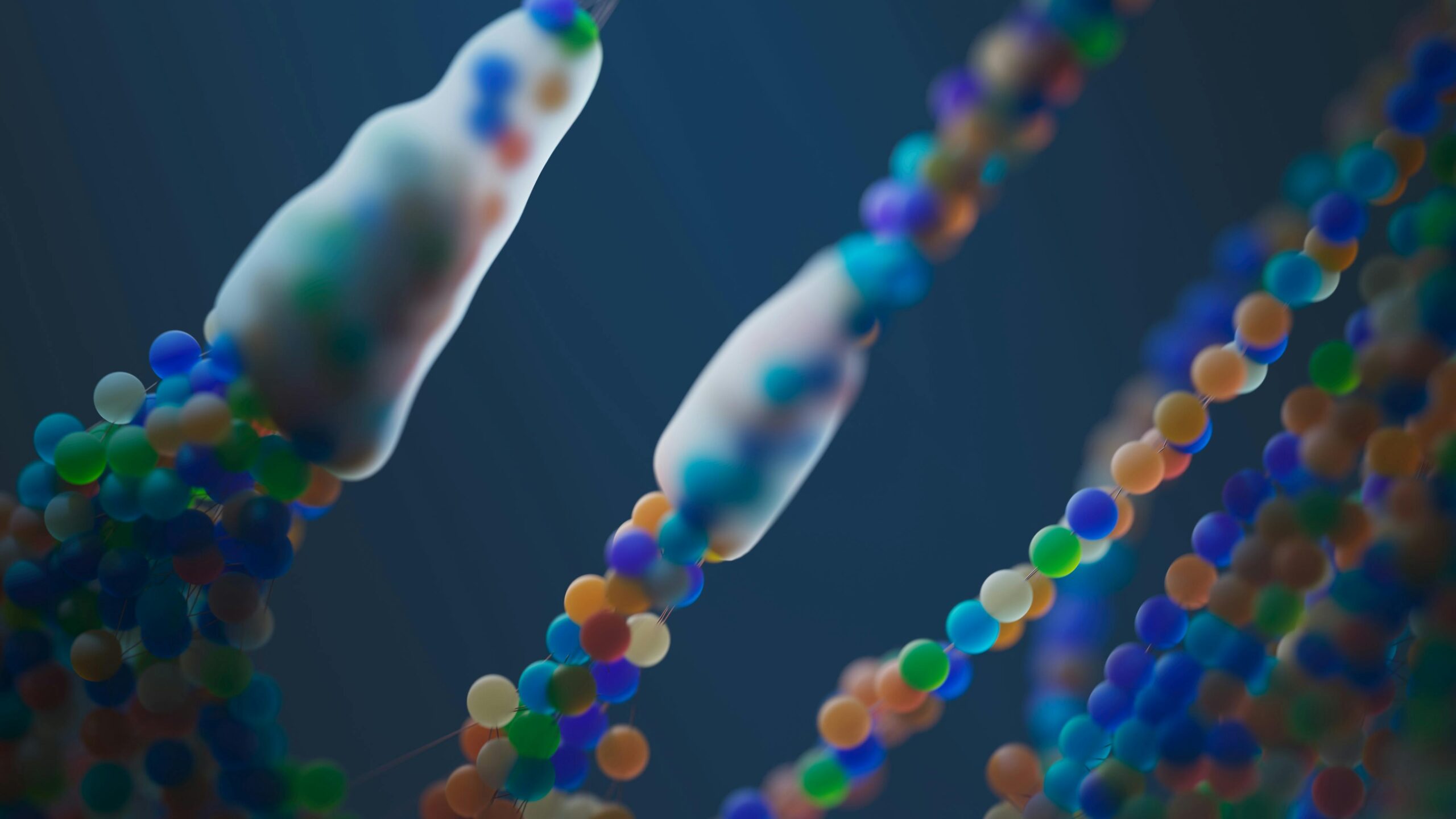
Scientists are now unlocking cellular aging mechanisms, offering hope that we can slow, stop, or even reverse the biological clock that governs human senescence.

🧬 Understanding Cellular Senescence: The Core of Aging
Cellular senescence represents one of the most fundamental processes underlying human aging. When cells reach their replicative limit or sustain significant damage, they enter a state where they stop dividing but don’t die. These senescent cells accumulate in tissues throughout the body, secreting inflammatory compounds that damage neighboring healthy cells—a phenomenon scientists call the senescence-associated secretory phenotype, or SASP.
The discovery of senescent cells dates back to the 1960s when Leonard Hayflick observed that normal human cells could only divide a finite number of times before entering permanent growth arrest. This “Hayflick limit” challenged the prevailing belief that cells were immortal under optimal conditions. Today, we understand that telomere shortening, DNA damage, oxidative stress, and oncogene activation all trigger this protective mechanism.
While cellular senescence initially evolved as a defense against cancer—preventing damaged cells from replicating uncontrollably—the accumulation of these “zombie cells” over decades contributes to age-related diseases including arthritis, cardiovascular disease, neurodegeneration, and metabolic dysfunction. The paradox is clear: what protects us in youth gradually destroys us in old age.
💡 Senolytics: The Revolutionary Drug Class Targeting Aging Cells
The emergence of senolytic drugs represents perhaps the most promising avenue in senescence reversal research. These compounds selectively induce death in senescent cells while leaving healthy cells unharmed. The concept sounds simple, but the execution requires precise molecular targeting.
The first senolytic compounds discovered were dasatinib, a cancer chemotherapy drug, and quercetin, a natural flavonoid found in many fruits and vegetables. When researchers administered this combination to aged mice, the results were remarkable: improved cardiovascular function, increased physical activity, extended healthspan, and even lifespan extension. The treated mice didn’t just live longer—they lived better, maintaining youthful vigor well into their equivalent of advanced age.
Since that breakthrough, pharmaceutical companies and research institutions have developed more targeted senolytics. Fisetin, another natural compound found in strawberries and apples, has shown particular promise in clearing senescent cells from brain tissue, potentially addressing cognitive decline. Navitoclax, originally developed as a cancer treatment, demonstrates powerful senolytic effects but requires careful dosing due to its impact on platelets.
Current Senolytic Compounds in Development
The senolytic pipeline now includes dozens of candidates at various stages of research and clinical trials. Unity Biotechnology has pioneered several senolytic therapeutics targeting specific conditions like osteoarthritis and age-related eye diseases. Their approach focuses on local administration to affected tissues rather than systemic treatment, potentially reducing side effects.
Meanwhile, companies like Oisín Biotechnologies are developing gene therapy approaches that program senescent cells to self-destruct. This method uses synthetic genetic circuits that detect senescence markers and trigger apoptosis—essentially teaching the body to clean up its own cellular debris.
🔬 Partial Cellular Reprogramming: Turning Back the Epigenetic Clock
While senolytics eliminate aged cells, another revolutionary approach actually reverses cellular aging at the epigenetic level. This technique, called partial cellular reprogramming, temporarily activates the same factors that convert adult cells into pluripotent stem cells—but stops short of erasing cellular identity.
The Yamanaka factors—Oct4, Sox2, Klf4, and c-Myc—can reset adult cells to an embryonic-like state. Japanese researcher Shinya Yamanaka won the Nobel Prize for this discovery in 2012. However, fully reprogramming cells in living organisms causes teratomas (tumors) and loss of cell identity. The breakthrough came when scientists discovered that brief, intermittent expression of these factors could restore youthful epigenetic patterns without dedifferentiating cells.
David Sinclair’s laboratory at Harvard Medical School demonstrated that partial reprogramming could restore vision in aged mice with damaged retinal neurons. The treated mice could see again, with their optic nerve cells displaying gene expression patterns resembling much younger tissue. This suggested that aging might be, at least partially, an information problem—a loss of epigenetic instructions that can potentially be restored.
Altos Labs, funded with billions in venture capital and employing numerous Nobel laureates, is pursuing cellular reprogramming as its primary strategy for extending human healthspan. Their research focuses on understanding the precise timing and dosing of reprogramming factors necessary to achieve age reversal without triggering unwanted dedifferentiation or cancer.
🧪 NAD+ Restoration: Fueling Cellular Rejuvenation
Nicotinamide adenine dinucleotide (NAD+) serves as a critical coenzyme in hundreds of metabolic reactions throughout the body. This molecule powers mitochondria, enables DNA repair, and activates sirtuins—proteins that regulate cellular health and longevity. Unfortunately, NAD+ levels decline dramatically with age, dropping by approximately 50% between youth and middle age.
This decline impairs cellular energy production and compromises the activity of sirtuins and PARP enzymes involved in maintaining genomic stability. The result? Accelerated aging across multiple organ systems. Researchers have identified several strategies to boost NAD+ levels and potentially reverse age-related cellular dysfunction.
Nicotinamide riboside (NR) and nicotinamide mononucleotide (NMN) are NAD+ precursors that can be taken as supplements. These compounds bypass the rate-limiting step in NAD+ synthesis, efficiently raising cellular levels. Human clinical trials have demonstrated that NR supplementation increases NAD+ concentrations and shows preliminary evidence of improved cardiovascular and metabolic markers.
The Sirtuin Connection
Sirtuins represent a family of seven proteins (SIRT1-7) that require NAD+ to function. These enzymes regulate gene expression, DNA repair, mitochondrial function, and inflammation. Resveratrol, the compound found in red wine that sparked early longevity research, works primarily by activating SIRT1.
However, newer sirtuin-activating compounds show far greater potency than resveratrol. Pharmaceutical companies are developing synthetic molecules that directly activate specific sirtuins, potentially delivering the benefits of NAD+ restoration and caloric restriction without dietary limitation. Early animal studies suggest these compounds improve metabolic health, enhance physical performance, and extend lifespan.
🩺 Metformin and Rapamycin: Old Drugs, New Tricks
Sometimes the most promising anti-aging interventions hide in plain sight. Metformin, prescribed to millions of diabetics worldwide, and rapamycin, an immunosuppressant used in organ transplantation, both demonstrate remarkable life-extending properties in animal models.
Metformin activates AMPK, an enzyme that acts as a cellular energy sensor. This activation mimics some effects of caloric restriction, improving insulin sensitivity, reducing inflammation, and enhancing autophagy—the cellular recycling process that clears damaged proteins and organelles. Epidemiological studies suggest diabetics taking metformin actually live longer than non-diabetics not taking the drug, a startling finding that sparked the TAME (Targeting Aging with Metformin) trial.
The TAME study represents the first FDA-approved clinical trial treating aging itself as a therapeutic target rather than individual age-related diseases. If successful, it could revolutionize how regulatory agencies view aging and open the floodgates for longevity drug development.
Rapamycin inhibits mTOR, a protein complex that regulates cell growth, metabolism, and protein synthesis. Reducing mTOR activity extends lifespan in every organism tested—from yeast to mice. Rapamycin-treated mice live up to 25% longer and maintain better health throughout their extended lives. However, continuous immunosuppression poses risks, prompting researchers to explore intermittent dosing protocols that preserve longevity benefits while minimizing side effects.
🏃♀️ Lifestyle Interventions: Enhancing Biological Age Reversal
While pharmaceutical interventions dominate headlines, lifestyle modifications remain the most accessible and evidence-based approaches to combating cellular senescence. These interventions work synergistically with emerging medical therapies, potentially enhancing their effectiveness.
Caloric restriction—reducing calorie intake by 20-40% without malnutrition—extends lifespan and delays age-related disease in numerous species. Human studies demonstrate improvements in biomarkers associated with longevity, including reduced inflammation, improved insulin sensitivity, and better cardiovascular function. Time-restricted eating and intermittent fasting may offer similar benefits with greater sustainability for most people.
Exercise represents another powerful senolytic intervention. Physical activity reduces senescent cell burden, particularly in adipose tissue. High-intensity interval training (HIIT) specifically enhances mitochondrial function and increases cellular NAD+ levels. Resistance training preserves muscle mass and bone density, counteracting age-related sarcopenia and osteoporosis.
The Sleep-Longevity Connection
Sleep deprivation accelerates cellular aging and impairs the brain’s glymphatic system—the waste clearance mechanism that removes toxic proteins during deep sleep. Consistently sleeping 7-9 hours per night supports cellular repair processes, enhances autophagy, and reduces systemic inflammation. Poor sleep quality correlates strongly with accelerated epigenetic aging, making sleep optimization a crucial component of any longevity strategy.
🌟 Measuring Biological Age: Tracking Your Rejuvenation Progress
Chronological age simply counts years lived, but biological age reflects the actual physiological state of tissues and organs. This distinction becomes crucial as senescence reversal therapies advance. Researchers have developed several biological age clocks that measure molecular markers to estimate true biological age.
DNA methylation clocks, pioneered by Steve Horvath, analyze chemical modifications to DNA at specific sites throughout the genome. These epigenetic changes accumulate predictably with age, allowing accurate estimation of biological age. Remarkably, these clocks predict mortality and disease risk better than chronological age alone.
The most advanced clocks incorporate multiple data types: DNA methylation, blood biomarkers, physical performance measures, and even facial imaging analysis. Companies now offer commercial biological age testing, allowing individuals to track how lifestyle changes and interventions affect their aging trajectory.
Emerging research suggests some interventions can actually reduce biological age. One study found that a specific diet and lifestyle program decreased participants’ biological age by over three years in just eight weeks—a tantalizing hint that age reversal may already be achievable through intensive multi-modal interventions.
🔮 The Future Landscape of Senescence Reversal
The convergence of multiple anti-aging technologies suggests we’re approaching a tipping point in longevity science. Within the next decade, we’ll likely see the first FDA-approved senolytic drugs, refined cellular reprogramming protocols, and personalized aging interventions based on individual biological age measurements.
Gene therapy approaches will probably advance beyond research laboratories into clinical practice. CRISPR-based therapies could correct age-related genetic damage or introduce protective genetic variants associated with exceptional longevity. Stem cell therapies may regenerate aged tissues, replacing senescent cells with fresh, functional ones.
Artificial intelligence is accelerating drug discovery by predicting molecular interactions and identifying novel senolytic compounds from millions of possibilities. Machine learning algorithms can now predict biological age from diverse data sources and potentially identify the most effective interventions for specific individuals based on their unique aging profile.
⚖️ Ethical Considerations and Societal Implications
Dramatically extended healthspan raises profound questions about healthcare systems, retirement, resource allocation, and intergenerational equity. If senescence reversal therapies prove effective, will they be accessible to everyone or only the wealthy? How will societies adapt to populations that remain healthy and productive far longer than current norms?
Some bioethicists worry about exacerbating existing inequalities, creating a longevity divide between those who can afford cutting-edge treatments and those who cannot. Others argue that extending healthspan—the period of life spent in good health—should be a universal goal, potentially reducing healthcare costs by preventing age-related diseases rather than treating them.
Environmental concerns also emerge. Extended lifespans could strain planetary resources unless accompanied by sustainable practices and possibly reduced birth rates. Yet the prospect of living healthily beyond 100 might fundamentally shift human perspectives, encouraging longer-term thinking about environmental stewardship and societal planning.

🚀 Taking Action: Practical Steps Toward Biological Age Reversal
While we await pharmaceutical breakthroughs, evidence-based interventions exist today that can slow cellular aging and potentially reduce biological age. Consider implementing these strategies after consulting with healthcare providers:
- Adopt time-restricted eating, limiting food intake to an 8-10 hour window daily
- Engage in regular high-intensity interval training and resistance exercise
- Optimize sleep quality and duration, aiming for consistent 7-9 hour nights
- Consider NAD+ precursor supplementation (NR or NMN) based on emerging research
- Discuss metformin with your physician if you have prediabetes or metabolic syndrome
- Minimize exposure to toxins, processed foods, and chronic stressors
- Maintain strong social connections, which correlate powerfully with longevity
- Consider biological age testing to establish baseline measurements and track progress
The science of senescence reversal has progressed from theoretical possibility to practical reality with remarkable speed. Multiple independent research paths—senolytics, cellular reprogramming, NAD+ restoration, and refined pharmaceuticals—are converging toward the same goal: extending not just lifespan but healthspan, allowing us to live longer in genuinely good health.
The fountain of youth may not be a mythical spring but rather a sophisticated understanding of cellular biology combined with targeted interventions. As research accelerates and clinical trials advance, the prospect of adding healthy decades to human life shifts from science fiction to medical reality. The first person to live to 150 in good health may already be alive today, benefiting from therapies now in development.
This revolution in longevity science doesn’t promise immortality, but it does offer something perhaps more valuable: the opportunity to extend our healthspan, remaining vigorous and engaged with life well past the traditional boundaries of old age. The breakthrough science of senescence reversal isn’t just about adding years to life—it’s about adding life to years, unlocking the biological potential for extended youth that may have been within us all along. 🌱