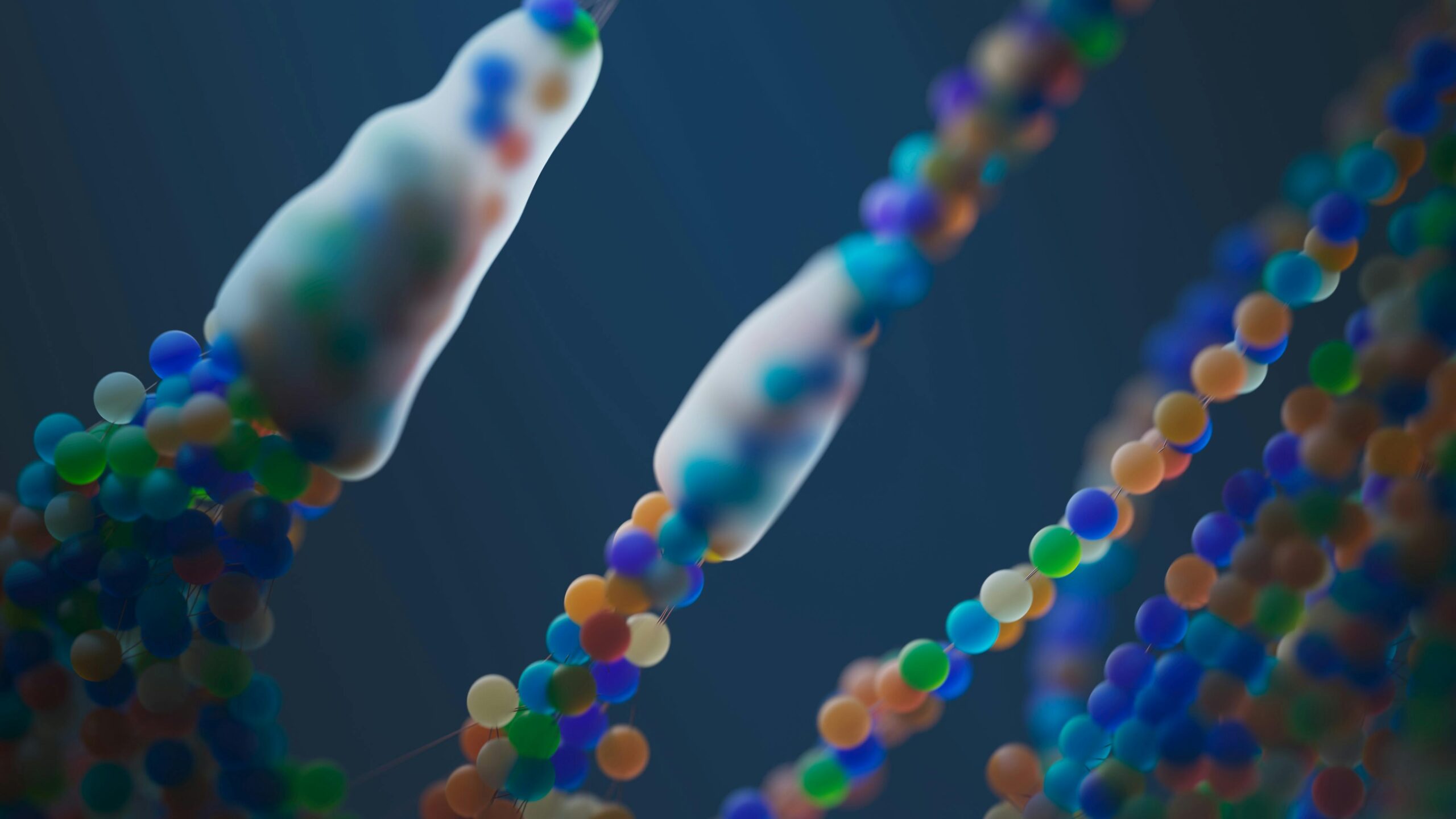
The quest for eternal youth has captivated humanity for millennia, but modern science is transforming this ancient dream into tangible reality through lifestyle interventions that influence our genetic expression.

🧬 The Science Behind Genetic Aging and Lifestyle Choices
Our genes don’t dictate our destiny as rigidly as once believed. The emerging field of epigenetics reveals that lifestyle choices can activate or silence genes associated with aging, inflammation, and cellular repair. This revolutionary understanding means we possess more control over our biological age than our chronological years suggest.
Telomeres, the protective caps at the end of our chromosomes, serve as biological clocks. Each time cells divide, telomeres shorten slightly. When they become critically short, cells enter senescence or die. However, research demonstrates that specific lifestyle interventions can slow or even reverse telomere shortening, effectively turning back our cellular clocks.
The enzyme telomerase plays a crucial role in maintaining telomere length. While most adult cells have low telomerase activity, studies show that certain lifestyle modifications can upregulate this enzyme, preserving genomic stability and cellular youth. This isn’t science fiction—it’s happening in laboratories and lives worldwide.
Nutritional Strategies That Reprogram Your Genetic Expression 🥗
Food transcends mere fuel; it’s information that directly communicates with our DNA. The compounds in what we eat can methylate genes, influencing which ones express themselves. This process, called nutrigenomics, opens extraordinary possibilities for controlling aging at the molecular level.
Polyphenols found in colorful fruits and vegetables act as signaling molecules that activate longevity pathways. Resveratrol in red grapes, EGCG in green tea, and curcumin in turmeric have demonstrated remarkable abilities to influence SIRT1 genes—the same genes activated by caloric restriction, known for extending lifespan in numerous species.
The Fasting Mimicking Approach to Cellular Renewal
Intermittent fasting and periodic prolonged fasting trigger autophagy—the cellular housekeeping process where damaged components get recycled. This biological renovation clears senescent cells, reduces oxidative stress, and enhances mitochondrial function. Time-restricted eating, where consumption occurs within an 8-10 hour window, has shown promising results in human trials for improving metabolic markers associated with longevity.
The fasting-mimicking diet, developed by longevity researcher Dr. Valter Longo, provides the benefits of extended fasting while allowing some food intake. Clinical studies indicate this approach can reduce biological age markers, regenerate immune cells, and improve healthspan without the difficulties of complete water fasting.
Micronutrient Optimization for DNA Protection
Specific vitamins and minerals directly influence genetic stability and expression. Folate, B12, and choline provide methyl groups essential for proper DNA methylation. Zinc and selenium support DNA repair mechanisms. Vitamin D influences over 2,000 genes throughout the body, including those regulating inflammation and cellular proliferation.
Omega-3 fatty acids, particularly EPA and DHA from marine sources, protect telomeres from oxidative damage while reducing systemic inflammation—a primary driver of accelerated aging. Research suggests that higher omega-3 levels correlate with slower telomere shortening and improved cellular aging markers.
💪 Movement Patterns That Activate Youth Genes
Exercise represents one of the most powerful epigenetic modifiers available. Physical activity doesn’t just build muscle and cardiovascular health—it fundamentally alters gene expression patterns throughout the body, creating a more youthful biological profile regardless of chronological age.
High-intensity interval training (HIIT) has emerged as particularly effective for genetic rejuvenation. Studies show HIIT increases mitochondrial capacity in aging adults, essentially revitalizing the cellular powerhouses responsible for energy production. This training method upregulates genes involved in mitochondrial biogenesis while improving insulin sensitivity and metabolic flexibility.
Resistance Training for Longevity Signaling
Strength training activates mechanotransduction pathways—processes where mechanical stress converts into biochemical signals that influence gene expression. Regular resistance exercise upregulates genes associated with muscle protein synthesis, insulin sensitivity, and anti-inflammatory responses while downregulating pro-aging inflammatory genes.
The “muscle as medicine” paradigm recognizes skeletal muscle as an endocrine organ secreting myokines—proteins that communicate with distant tissues including the brain, bones, and fat tissue. These signaling molecules promote systemic rejuvenation, cognitive function, and metabolic health.
Zone 2 Cardio for Metabolic Flexibility
Moderate-intensity steady-state cardio, particularly in Zone 2 heart rate ranges, optimizes mitochondrial efficiency and metabolic flexibility—the ability to switch between burning carbohydrates and fats. This metabolic adaptability strongly correlates with healthspan and represents a key biomarker of biological youth.
Regular Zone 2 training increases mitochondrial density, enhances fat oxidation, and improves lactate clearance. These adaptations create a more resilient metabolic foundation that resists age-related decline and supports cellular longevity pathways.
😴 Sleep Architecture and Genetic Repair Mechanisms
Sleep isn’t merely rest—it’s when critical genetic repair and maintenance occur. During deep sleep, growth hormone secretion peaks, facilitating tissue repair and cellular regeneration. Insufficient or poor-quality sleep disrupts these processes, accelerating biological aging through multiple mechanisms.
The glymphatic system, discovered relatively recently, clears metabolic waste from the brain primarily during sleep. This neurological housekeeping removes toxic proteins associated with cognitive decline and neurodegenerative diseases. Chronic sleep deprivation impairs this clearance, allowing damaging compounds to accumulate.
Circadian Rhythm Optimization for Genetic Expression
Our circadian clock genes regulate approximately 15% of the genome, orchestrating daily rhythms in metabolism, hormone production, and cellular repair. Disrupting these natural cycles through irregular sleep schedules, late-night eating, or excessive artificial light exposure desynchronizes genetic expression patterns, promoting accelerated aging.
Light exposure timing profoundly influences circadian health. Morning bright light exposure synchronizes the master clock in the suprachiasmatic nucleus, while avoiding blue light in evening hours prevents melatonin suppression. Melatonin isn’t just a sleep hormone—it’s a powerful antioxidant that protects DNA from oxidative damage during vulnerable nighttime hours.
🧘 Stress Management and Genetic Resilience
Chronic psychological stress directly damages telomeres and accelerates cellular aging. Elevated cortisol levels increase oxidative stress and inflammation while suppressing immune function and DNA repair mechanisms. The mind-body connection extends to the molecular level, where thoughts and emotions influence genetic expression.
Meditation and mindfulness practices demonstrate measurable effects on aging biomarkers. Research on long-term meditators shows increased telomerase activity, longer telomeres, and altered expression of genes related to inflammation and stress response. Even brief daily meditation practices produce beneficial epigenetic changes within weeks.
Hormetic Stress for Adaptive Resilience
Not all stress accelerates aging. Hormetic stressors—brief, moderate challenges—trigger adaptive responses that strengthen cellular resilience. Cold exposure, heat therapy through saunas, and exercise represent beneficial stressors that activate heat shock proteins, improve mitochondrial function, and upregulate antioxidant defense systems.
Heat shock proteins act as molecular chaperones, ensuring proper protein folding and preventing the accumulation of damaged proteins associated with aging. Regular sauna use correlates with reduced all-cause mortality and improved cardiovascular health, potentially through these protective protein mechanisms.
🌿 Environmental Factors and Epigenetic Expression
Our environment continuously communicates with our genome through epigenetic modifications. Toxin exposure, air quality, water purity, and even social connections influence which genes activate or silence. Creating an environment that supports youthful genetic expression requires attention to multiple factors often overlooked in conventional anti-aging approaches.
Endocrine-disrupting chemicals in plastics, personal care products, and household cleaners interfere with hormonal signaling and can alter epigenetic marks. Minimizing exposure to BPA, phthalates, and parabens supports hormonal balance and reduces pro-aging epigenetic changes.
Social Connection as Genetic Medicine
Loneliness and social isolation predict mortality as strongly as smoking or obesity. Conversely, strong social bonds influence gene expression patterns associated with inflammation and immune function. The “social genome” responds to our interpersonal environment, with meaningful relationships downregulating inflammatory gene pathways while supporting immune resilience.
Purpose and meaning in life correlate with favorable gene expression profiles. Studies examining eudaimonic well-being—happiness derived from purpose and growth—show distinct genetic signatures compared to hedonic pleasure. Purpose-driven individuals exhibit reduced inflammatory gene expression and enhanced antiviral and antibody gene expression.
📊 Measuring Your Biological Age: Beyond the Calendar
Chronological age tells only part of the story. Biological age—the true functional age of your cells and systems—can differ substantially. Advanced testing now allows individuals to measure their biological age and track improvements from lifestyle interventions.
| Biomarker Type | What It Measures | Clinical Significance |
|---|---|---|
| Epigenetic Clocks | DNA methylation patterns | Predicts healthspan and lifespan |
| Telomere Length | Chromosomal protective caps | Indicates cellular aging rate |
| Inflammatory Markers | hs-CRP, IL-6, TNF-alpha | Reflects systemic aging processes |
| Metabolic Health | Insulin sensitivity, lipid profile | Predicts age-related disease risk |
DNA methylation-based epigenetic clocks, such as the Horvath clock and GrimAge, analyze specific methylation sites across the genome to calculate biological age with remarkable accuracy. These clocks predict mortality risk and healthspan better than chronological age, providing actionable feedback on lifestyle intervention effectiveness.
🔬 Emerging Technologies Supporting Genetic Youthfulness
Scientific advances continue expanding our toolkit for genetic rejuvenation. Senolytic compounds that selectively eliminate senescent cells show promise in animal models and early human trials. These “zombie cells” accumulate with age, secreting inflammatory factors that damage surrounding tissues and accelerate systemic aging.
NAD+ precursors like nicotinamide riboside (NR) and nicotinamide mononucleotide (NMN) replenish this critical coenzyme that declines with age. NAD+ supports sirtuin function, DNA repair, and mitochondrial health. Supplementation studies demonstrate improvements in various aging biomarkers, though optimal dosing and long-term effects require further research.
Personalized Interventions Through Genetic Testing
Genomic testing reveals individual genetic variants affecting nutrient metabolism, detoxification capacity, and oxidative stress susceptibility. This information enables personalized optimization—tailoring diet, supplementation, and lifestyle strategies to your unique genetic profile rather than following generic recommendations.
Pharmacogenomics examines how genetic variations influence medication response, allowing precision in therapeutic interventions. As this field matures, truly personalized anti-aging protocols will become standard, maximizing benefits while minimizing risks based on individual genetic architecture.
🎯 Integrating Interventions for Synergistic Effects
No single intervention unlocks genetic agelessness. The most powerful approach combines multiple evidence-based strategies that work synergistically. A comprehensive longevity lifestyle addresses nutrition, movement, sleep, stress, environment, and social connection—each reinforcing the others for amplified benefits.
Implementation requires realistic, sustainable changes rather than extreme measures. Begin with foundational habits like consistent sleep schedules, regular movement, and whole-food nutrition. Layer additional interventions gradually, monitoring how your body responds through both subjective well-being and objective biomarkers when available.
Creating Your Personal Longevity Protocol
Design your protocol around these evidence-based pillars:
- Nutrient-dense, anti-inflammatory diet emphasizing colorful plants, quality proteins, and healthy fats
- Time-restricted eating or intermittent fasting aligned with circadian rhythms
- Combined exercise approach: HIIT, resistance training, and Zone 2 cardio
- Consistent sleep schedule with 7-9 hours nightly and optimized sleep environment
- Daily stress management through meditation, nature exposure, or breathwork
- Minimized toxin exposure through clean products and filtered water
- Meaningful social connections and purpose-driven activities
- Regular exposure to hormetic stressors like sauna or cold therapy

🌟 The Future of Human Longevity and Healthspan Extension
We stand at an unprecedented moment in human history where scientific understanding of aging intersects with practical interventions accessible to everyone. The fountain of youth isn’t a mythical spring—it’s the daily choices that speak to our genes, influencing which get expressed and which remain silent.
While genetic inheritance provides the blueprint, epigenetic modifications write the story. The revolutionary insight that lifestyle profoundly influences genetic expression empowers individuals to actively participate in their own biological destiny rather than passively accepting predetermined aging trajectories.
Research continues advancing rapidly, with new interventions emerging regularly. However, the foundational principles remain consistent: support cellular repair mechanisms, reduce inflammation and oxidative stress, maintain metabolic flexibility, optimize circadian rhythms, and create environments—both internal and external—that promote youthful genetic expression.
The compression of morbidity—extending healthspan rather than merely lifespan—represents the ultimate goal. Living longer matters little if those years include suffering and disability. Lifestyle interventions for genetic agelessness aim to maintain vitality, cognitive function, and physical capability throughout the lifespan, ensuring quality matches quantity.
Your biological age trajectory isn’t fixed at birth. Through consistent application of evidence-based lifestyle interventions, you can influence genetic expression patterns toward youthfulness and resilience. The fountain of youth flows from daily choices that honor the remarkable adaptive capacity encoded in your genome, waiting to be unlocked through intentional living aligned with human biological design.